Selecting Reef-Safe Fish for a Thriving Saltwater Aquarium
When stocking a saltwater aquarium with live corals and invertebrates, the choice of fish is critical. A wrong pick can lead to nipped corals, eaten shrimp, or constant aggression. Aquarists must balance color, behavior, and dietary needs to maintain a peaceful, thriving reef system.
Among the most popular yet risky choices are angelfish. While their vibrant patterns attract hobbyists, many species are known to graze on coral polyps and small crustaceans. The emperor angelfish (Pomacanthus imperator), for instance, is a notorious coral-eater and is best avoided in reef setups. Even the smaller dwarf angels, such as the coral beauty (Centropyge bispinosus) and flame angelfish (Centropyge loriculus), may occasionally pick at corals, especially in confined tanks where they are not adequately fed. A notable exception is the Japanese swallowtail angelfish (Genicanthus melanospilos), which is considered one of the few truly reef-safe angelfish, leaving invertebrates untouched.
Dwarf Angelfish Species to Consider
For those set on keeping angelfish, several dwarf species are generally more compatible with reef tanks, provided they are well-fed and given ample space. These include the Fisher's angelfish (Centropyge fisheri), lemonpeel angelfish (Centropyge flavissimus), masked angelfish (Genicanthus personatus), multicolor angelfish (Centropyge multicolor), and the orange-lined or Eibl's angelfish (Centropyge eibli). Larger tanks are recommended to minimize territorial stress and reduce the likelihood of coral nipping.
Clownfish are a staple in many marine aquariums, known for their vivid colors and engaging behavior. Most species, such as the false percula (Amphiprion ocellaris) and true percula (Amphiprion percula), are reef-safe and coexist peacefully with corals and invertebrates. However, the maroon clownfish stands out as an exception due to its aggressive temperament and larger adult size, which can disrupt a tranquil tank. Other safe options include the tomato clownfish (Amphiprion frenatus), Clarkii clownfish (Amphiprion clarkii), fire, red & black or cinnamon clownfish (Amphiprion melanopus), pink skunk clownfish (Amphiprion perideraion), and saddleback clownfish (Amphiprion polymnus).
Dragonettes and mandarinfish, such as the green mandarinfish (Pterosynchiropis splendidus) and psychedelic mandarinfish (Synchiropus picturatus), are docile but present a unique challenge. They have specialized diets, relying heavily on amphipods and copepods. In a well-established reef tank with a robust pod population, they can thrive, but in younger or smaller systems, they may starve. Hobbyists must ensure a steady supply of these tiny crustaceans or be prepared to supplement with appropriate foods.
Gobies: Diversity and Function
Gobies are a diverse group that offers both aesthetic appeal and practical benefits. Sand-sifting gobies, such as the diamond watchman goby (Valencienna puellaris) and the sleeper banded goby (Amblygobius phalaena), constantly sift through the substrate, consuming algae, detritus, and uneaten food. This behavior not only helps remove nitrate-producing waste but also aerates the sand, preventing the buildup of toxic gases in deep sand beds. Other species in this category include the engineer goby (Pholidichthys leucotaenia), orangemarked goby (Amblygobius decussatus), sleeper blue dot goby (Valenciennea sexguttata), sleeper railway glider goby (Valenciennea helsdingeni), sleeper striped goby (Valenciennea longipinnis), tiger watchman goby (Valencienna wardii), and the two spot goby (Signigobius biocellatus).
Shrimp gobies form a fascinating symbiotic relationship with pistol shrimp, sharing burrows. The goby, with better eyesight, warns the shrimp of danger, and in return, the shrimp shares food. This partnership is a highlight in any reef tank. Popular species include the diagonal bar prawn goby (Amblyeleotris diagonalis), blackray shrimp goby (Stonogobiops nematodes), orange spotted goby (Amblyeleotris guttata), orange stripe prawn goby (Amblyeleotris randalli), pinkbar goby (Cryptocentrus aurora), pink spotted watchman goby (Cryptocentrus leptocephals), Steinitz goby (Amblyeleotris steinitzi), Wheeler's watchman goby (Amblyeleotris wheeleri), and the yellow watchman goby (Cryptocentrus cinctus).
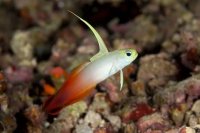
Small gobies, typically under 2 inches, are ideal for nano reefs. They are colorful and adapt well to aquarium life. Species like the gold line goby (Elacatinus horsti), yellow clown goby (Gobiodon okinawae), panda clown goby (Paragobius lacunicolus), green clown goby (Gobiodon atrangulatus), citrinis clown goby (Gobiodon citrinus), brown clown goby (Gobiodon spp.), black clown goby (Gobiodon strangulatus), cave transparent goby (Coryphopterus glaucofrenum), black barred convict goby (Priolepis nocturnus), firefish goby (Nemateleotris magnifica), and purple coral goby (Gobiodon unicolor) are all excellent choices.
Tangs and Other Reef-Safe Options
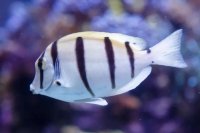
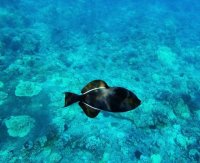
Tangs, or surgeonfish, are herbivores that graze on algae, leaving corals and invertebrates alone. However, many tangs grow large and require spacious aquariums. The Pacific blue tang (Paracanthurus hepatus), popularized by animated films, can reach significant sizes and needs a large tank. Other species include the Achilles tang (Acanthurus achilles), blonde naso tang (Naso lituratus), Red Sea sailfin tang (Zebrasoma desjardinii), clown surgeonfish (Acanthurus lineatus), purple tang (Zebrasoma xanthurum), chevron tang (Ctenochaetus hawaiiensis), convict tang (Acanthurus triostegus), kole tang (Ctenochaetus strigosus), goldrim tang (Acanthurus nigricans), orangebar tang (Acanthurus olivaceus), powder blue tang (Acanthurus leucosternon), sailfin tang (Zebrasoma veliferum), and yellow tang (Zebrasoma flavescens).
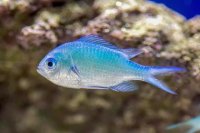
Finally, the green chromis (Chromis viridis), a damselfish species, is a peaceful addition. With its iridescent apple-green and light blue coloring, it reaches a maximum length of about 4 inches (10 cm). These fish prefer to be kept in schools of odd numbers and are non-aggressive toward most invertebrates, making them a safe and lively addition to any reef community.
Choosing the right fish is a balance of beauty, behavior, and tank size. By selecting species that naturally coexist with corals and invertebrates, aquarists can create a vibrant and stable ecosystem that thrives for years.