Pet Reptile Winter Sleep: What Owners Should Know
Owners of pet reptiles may be startled when their normally active companion suddenly stops eating, moving, or responding to touch for weeks at a time. This state, called brumation, is a natural survival mechanism that mirrors hibernation in mammals but has distinct characteristics and care requirements.
Brumation is triggered by cooler temperatures and shorter daylight hours, even in captivity where conditions remain steady. While it is not a true sleep, reptiles in this phase may bury themselves in substrate or retreat to the coolest, darkest corner of their enclosure. They might wake occasionally to drink water, then return to their dormant state. The lack of response to external stimuli can be alarming, but for healthy reptiles, it is generally a safe process.
Why Reptiles Enter Dormancy
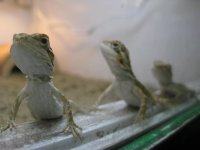
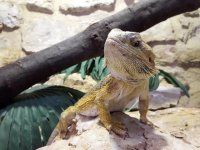
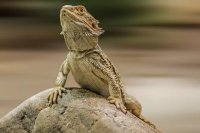
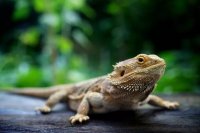
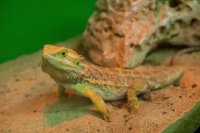
In the wild, brumation helps reptiles survive cold seasons when food becomes scarce and their ectothermic bodies cannot maintain warmth. Despite consistent feeding and lighting in captivity, an innate biological clock can still prompt this behavior. Bearded dragons are among the most common pets to brumate, but certain turtles, tortoises, lizards, snakes, and even some frogs also exhibit it. The timing is unpredictable; some reptiles may brumate annually, others sporadically, and some not at all.
The biological difference between brumation and hibernation is significant. Mammals in hibernation sleep deeply and rely on stored fat for energy, without needing food or water. Reptiles, however, do not have such fat reserves. Instead, they depend on elevated glycogen levels in their blood to fuel muscles, and they must drink water periodically. This means brumating reptiles are not in a continuous sleep but rather a series of low-activity periods interrupted by brief waking moments.
Preparing and Preventing Brumation
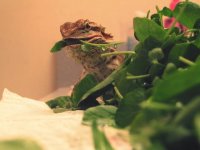
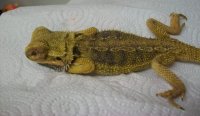
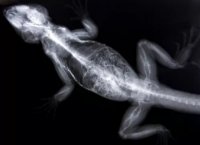
Before allowing a reptile to brumate, owners should ensure the animal is healthy and free from internal and external parasites. A veterinary check-up is recommended to confirm the pet is fit for this period. Encouraging defecation before dormancy, by soaking the reptile in water and gently massaging its belly, can help prevent complications. Owners should also verify that the enclosure's temperature and humidity are appropriate, and continue offering food until the reptile naturally stops eating.
In the wild, a reptile might enter brumation while carrying an ailment and fail to reawaken in spring. Captive reptiles generally have better health, and regular veterinary care reduces these risks. However, if a reptile has existing health concerns, a veterinarian may advise preventing brumation altogether. This can be achieved by maintaining consistent temperatures, lighting, and feeding schedules, as well as handling the reptile regularly, especially when offering food and water.
If a pet does enter brumation, owners should assist with rehydration but otherwise leave the animal undisturbed. After the reptile emerges, a follow-up veterinary visit is advised. For any questions or concerns during this period, consulting a veterinarian is the safest course of action.