Bearded Dragon Egg Laying: What Owners Need to Know
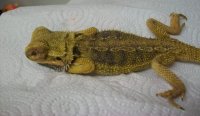
Female bearded dragons may lay eggs even if they have never been housed with a male, a fact that often surprises new owners. This can happen because the female recently mated or because, like chickens, bearded dragons can produce infertile eggs without any male contact. When eggs appear in the enclosure, the first step is to determine if they are fertile and then decide on the next course of action.

Before eggs are laid, a female bearded dragon will show distinct signs. She may become more lethargic, spending extra time under the heat lamp, and her belly will swell as the eggs develop. Within about three weeks of fertilization, she will start digging, which signals the onset of nesting behavior. At this point, owners should provide a nesting area—a small container filled with clean, moistened bedding such as reptile dirt or vermiculite. This container can be placed inside the enclosure under the heat lights, or in a separate bin where temperature and humidity can be controlled more precisely. If using a separate container, the bedding must be preheated and moistened before the dragon lays her eggs.
Bearded dragons typically lay around 20 eggs per clutch and may produce several clutches over a four-month season, with some laying up to five. During this period, the female requires extra calcium and more food than usual, regardless of whether the eggs are fertile. Owners should be prepared for this increased nutritional demand until all eggs are laid.
Recognizing Egg-Binding Risks
If a bearded dragon retains eggs for more than 45 days, she may be egg-bound—a life-threatening condition. Symptoms include lethargy and excessive sleeping, and if eggs have not been laid after a month from first being visible, immediate veterinary attention is necessary. Treatment may involve surgical removal of the eggs and correction of low calcium levels. Egg binding should never be ignored.
Incubation and Hatching Conditions
Once eggs are laid and buried in the moist bedding, the environment must be carefully maintained. The substrate should be kept between 80 and 85 degrees Fahrenheit, using heat lights or an under-tank heater, and humidity should be around 75%, achieved by misting regularly. Direct misting on the eggs should be avoided to prevent mold growth. Fertile eggs typically hatch in 55 to 75 days; infertile eggs will never hatch and can be discarded at any time.
To check fertility, owners can use a process called candling—holding a flashlight to the egg to see a pinkish embryo inside. However, eggs should not be handled too much, and candling should be delayed for at least a few days after laying to avoid detaching the embryo. Moving eggs unnecessarily can also harm the developing dragon.
Caring for fertile eggs is demanding, requiring close monitoring of temperature and humidity and vigilance against mold. Many breeders use incubators to keep eggs visible and stable. If an incubator is not available, a thermometer and hygrometer placed in the nest with the eggs are essential, and patience is key until hatching time.