Tadpole Care Essentials: From Hatchling to Frog
Raising tadpoles from egg to frog requires attention to water chemistry, nutrition, and species-specific habitat transitions. While the process varies among species, understanding the core stages of metamorphosis helps aquarists provide appropriate care at each step.
All frogs begin as eggs, but clutch size and egg appearance differ widely. Once tadpoles emerge, they enter a straight-bodied stage that lasts until their tail is absorbed. During this period, they are classified by the emergence of hind and forelimbs, and their dietary needs shift accordingly.
Setting Up a Tadpole Nursery
Separating tadpoles from adult frogs is essential. Use a baster or small cup to transfer them to individual containers. Depending on the species, you might have a handful or dozens of tadpoles to manage.
Water quality is paramount. Reverse osmosis (RO) water is recommended, either purchased or produced with a home filter. Adjust pH and temperature based on species requirements; for example, dart frogs benefit from low pH, tannin-rich water created by adding specific leaves. Use a low-flow filter, such as a sponge filter, to avoid disturbing tiny tadpoles. For very small larvae, skip the filter and perform manual water changes. Watch for unusual odors as a sign to change the water.
Feeding Through Metamorphosis
Newly hatched tadpoles do not need feeding. Once they are ready, offer one commercial pellet daily, optionally coated with an amphibian vitamin/mineral mix. Boiled lettuce is not a suitable food. At around one month old, when legs begin to emerge, reduce feeding to two or three pellets per week. After full metamorphosis, when the tail is gone, switch to an appropriate frog diet.
Treats like brine shrimp flakes, spirulina, or Soilent Green can be offered no more than once a week, but they should never replace the staple pellet diet.
Species-Specific Habitat Needs
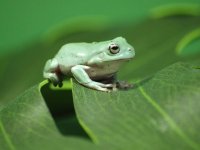
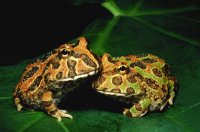
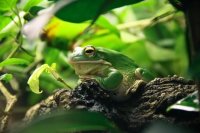
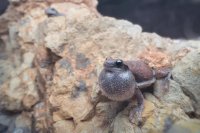
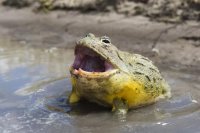
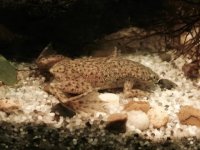
Dwarf frogs and African clawed frogs are fully aquatic and require no land area. In contrast, Oriental fire-bellied toads need a semi-terrestrial setup with a sloped aquatic pool at a 45-degree angle for easy exit. White's tree frogs and American green tree frogs transition to arboreal environments, so provide opportunities to climb and spend time out of water. Pacman frogs need only a shallow bowl of warm RO water; if humidity is too low, they will sit in the pool to signal the issue.
Successful tadpole rearing hinges on observing each species' cues and adjusting water, diet, and habitat accordingly. By following these guidelines, aquarists can support healthy development through every stage.