American Green Tree Frog Care: Enclosure, Feeding, and Health Tips
The American green tree frog, a small amphibian native to the southeastern United States, has become a popular choice for pet owners seeking a low-maintenance companion. However, providing proper care requires attention to specific habitat, dietary, and health needs. This guide outlines the key aspects of keeping these frogs healthy in captivity.
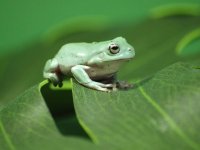
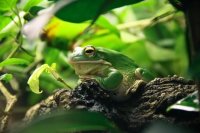
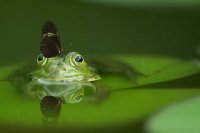
These frogs, which range from Florida to Virginia, are known for their bright green coloration and a distinctive white or cream stripe running from their heads to their flanks. They are relatively easy to care for compared to other amphibians, but they do have particular requirements that owners must meet.
Behavior and Handling
American green tree frogs are timid and generally do not tolerate handling well. Their skin is porous and delicate, making frequent handling unsuitable. While some individuals may become accustomed to gentle interaction over time, it's best to minimize contact to avoid damaging their skin.
These nocturnal creatures are most active at night, and males are particularly vocal, so placing their enclosure in a bedroom is not recommended. Instead, they are best appreciated as observational pets, with their large eyes and seemingly perpetual smile providing entertainment.
Enclosure Setup
A minimum 10-gallon tank is suitable for a single frog, though larger enclosures are beneficial. Because these frogs are arboreal, a tall tank is preferable to a wide one, as height allows for climbing. A secure mesh or wire cover is essential to prevent escapes.
Provide a variety of branches, live plants, or artificial vegetation for climbing. If using wood collected outdoors, ensure it is pesticide-free and sanitized to remove harmful bacteria or insects. Driftwood and cork bark are also suitable furnishings.
Unlike many other frog species, American green tree frogs do not require special heating unless the ambient temperature drops below 70°F. They thrive in temperatures between 70 and 75°F, with a thermal gradient in the enclosure. A ceramic heat emitter can be used to create a warm spot, but temperatures should not exceed 82°F.
Humidity is crucial, with daytime levels around 50-60% and nighttime spikes up to 80-100%. A hygrometer is recommended to monitor moisture, and automated misters or regular spraying with dechlorinated water can help maintain appropriate levels.
For substrate, reptile carpet or coconut fiber mats are the safest and easiest options, as they are washable and prevent accidental ingestion. Other substrates like cypress mulch or organic soil can be used but may require more frequent replacement.
Diet and Feeding
American green tree frogs are insectivores, with crickets forming the bulk of their diet. Crickets should be gut-loaded and dusted with calcium and multivitamin supplements a couple of times a week. Feeding frequency varies: smaller frogs may need daily feedings, while larger ones can be fed every other day, typically three to four insects per feeding.
It's important not to overfeed, as these frogs are opportunistic eaters and can become obese. Adjust feeding schedules if weight gain is observed. Provide a shallow, sturdy water dish with dechlorinated water, as these frogs are not strong swimmers.
Health Considerations
Common health issues include bacterial and fungal infections of the skin and eyes, which may present as pus, swelling, or redness. Respiratory infections can occur if humidity levels are inadequate, with symptoms like wheezing or lethargy. Parasitic infections may be suspected if a frog stops eating, requiring veterinary diagnosis.
Regular cleaning is vital to prevent ammonia poisoning, a potentially fatal condition caused by waste buildup. A yearly fecal check by an exotics veterinarian is recommended to monitor parasite levels.
When acquiring a frog, choose a captive-bred individual from a reputable breeder to reduce disease risk. Look for an active, alert frog with clear eyes and smooth skin. Avoid frogs that appear lethargic or have breathing difficulties.
With proper care, American green tree frogs can make rewarding pets for those willing to meet their needs. Observing their natural behaviors and ensuring a healthy environment are key to their well-being.