Leopard Frogs as Pets: Essential Care, Habitat, and Behavior Guide
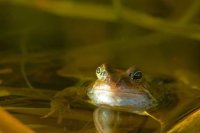
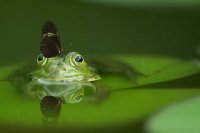
Leopard frogs, named for the dark spots that adorn their backs, are a group of over 20 species of small, semi-aquatic frogs native to temperate and subtropical North America, extending into northern Mexico. While they are captivating to observe, they are not fond of handling. These frogs are often recommended for novice pet owners due to their relatively simple care requirements, though they do demand a commitment of at least two hours per week for cage maintenance.
The northern leopard frog, with its bright green skin and brown spots, is the most common variety kept as a pet. The southern leopard frog, exhibiting olive green or light brown coloring with dark spots, is also popular. The plains leopard frog, also known as Blair's leopard frog, is brown with dark spots and is less frequently found in captivity.
Behavior and Temperament
Leopard frogs are predominantly nocturnal, though they may occasionally emerge during the day. They are timid creatures that prefer to avoid being held, often hiding underwater when they feel threatened. Their diet primarily consists of insects, but they will attempt to eat anything they can swallow, including other frogs. They are harmless to humans and do not produce toxins, but like all reptiles and amphibians, they can carry salmonella, which can be harmful to people. It is advisable to wear gloves when handling them and to wash hands thoroughly afterward. Additionally, these frogs are capable of jumping up to 3 feet, so caution is needed when transferring them in and out of their enclosure for cleaning.
Housing Requirements
A 10- to 20-gallon tank is sufficient for a single leopard frog, with an additional 10 gallons needed for each extra frog. Floor space is more important than height, as these frogs are semi-aquatic and require both land and water areas. A half-land, half-water setup is ideal, using Plexiglas to create separate zones. Driftwood or a thick piece of wood can serve as a bridge between the two areas, providing a basking spot. Smooth gravel or flat rocks can be stacked to create a ramp out of the water, ensuring the gravel is large enough to prevent accidental ingestion.
For the water area, a removable container is recommended for easy cleaning every two to three days. Water filters should be avoided; instead, perform a 50% water change at least twice a week. Some experts suggest that constant water vibrations from filtration pumps may cause sensory overload in frogs. Every other week, the enclosure should be thoroughly cleaned with hot water, avoiding soap as detergent residues can be lethal to frogs.
Temperature, Lighting, and Humidity
Maintain the tank temperature between 70 and 75 degrees Fahrenheit during the day, allowing it to drop to about 60 degrees Fahrenheit at night. A basking area reaching 80 degrees Fahrenheit at one end creates a thermal gradient, enabling the frog to regulate its body temperature. Use a ceramic heat emitter, nocturnal heat light, or under-tank heating pad to achieve this. During winter, leopard frogs enter a hibernation-like state, slowing down and possibly stopping eating for about three months. If feasible, reduce the habitat's temperature to 37 to 39 degrees Fahrenheit to mimic their natural environment.
UVB lighting is not required for these nocturnal frogs, but it can be beneficial for establishing a day/night cycle and aiding calcium metabolism. Ensure the mesh screen lid is secure to prevent the frog from reaching the lamp, and avoid making the enclosure overly bright, as this may cause the frogs to hide continuously. Humidity levels should be maintained between 50 and 70 percent, monitored with a hygrometer. Mist the cage with dechlorinated water several times daily, or use an electronic mister or fogger with sensors or a timer.
Substrate and Plants
The substrate, or bedding, on the land side should be at least 2 to 3 inches deep to allow burrowing. Suitable options include organic potting soil, a mix of soil and peat moss, or reptile bark with sphagnum moss. Adding plants and wood pieces provides climbing, hiding, and basking opportunities. Choose plants that thrive in similar conditions—temperatures in the 70s Fahrenheit, high humidity, and low light—and ensure they are non-toxic to amphibians. Low-lying ferns are an excellent choice.
Feeding and Water Quality
Leopard frogs require a varied diet of invertebrates, including crickets, wax worms, fly larvae, and earthworms. Younger frogs should be fed three to four crickets daily, while mature frogs can be fed every other day. Crickets can be the staple, but supplement with roaches, flies, moths, and worms. Gut-load prey with nutritious foods like fruits, vegetables, dog food, fish food, or commercial gut-loading formulas, and dust crickets with reptile calcium powder every other feeding. Monitor the frog's body shape to avoid overfeeding, as frogs are opportunistic eaters and can become overly round.
Water must be free of chlorine and chloramine, which are common in tap water. Use a pet supply product designed to remove these chemicals to ensure safety.
Health and Sourcing
Captive leopard frogs are susceptible to red leg disease, a parasitic infection that causes leg reddening, lethargy, and a decreased interest in eating or activity. Fungal infections, which appear as inflammation or a cotton-like substance on the skin, are also possible. These conditions are treatable but require a visit to an exotics veterinarian.
When acquiring a leopard frog, purchase from a reputable breeder or a reptile expo that includes amphibians. Pet stores may not always provide optimal husbandry practices or comprehensive health histories. Leopard frogs typically cost between $10 and $25, depending on species rarity. Select frogs with clear skin and non-cloudy eyes; low activity levels are normal, as they often remain still to evade predators or when anxious.
For those interested in similar species, consider the African bullfrog, American green tree frog, or White's tree frog, each with its own unique care requirements.