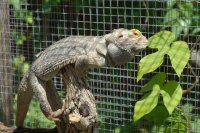
Reptile Bone Disease: How Diet and Light Prevent Metabolic Breakdown
Metabolic bone disease (MBD) is a frequently diagnosed condition among pet reptiles, characterized by a disruption in calcium metabolism that leads to weakened bones and a cascade of related health issues. The disease, also known by terms such as fibrous osteodystrophy, osteomalacia, secondary nutritional hyperparathyroidism, osteoporosis, and rickets, arises when the body's calcium-to-phosphorus ratio falls out of balance, forcing the skeleton to compensate.

In a healthy reptile, the calcium-to-phosphorus ratio should be approximately two parts calcium to one part phosphorus. When calcium levels drop, the body draws calcium from the bones, resulting in soft, fracture-prone bones. This deficiency also affects muscle function and blood clotting, leading to a range of visible symptoms that vary with the severity and duration of the condition.
Recognizing the Signs
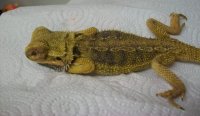
Owners may notice bowed or swollen legs, with bumps developing along the long bones as the body attempts to strengthen them with fibrous tissue. An arched spine or bumps along the vertebrae are also common. The jaw can soften—a condition sometimes called "rubber jaw"—and may recede, impairing the reptile's ability to eat or drink. In turtles, such as yellow-bodied sliders, the shell (carapace or plastron) may soften. Other signs include muscle tremors, jerky movements, constipation or obstipation, bone fractures, weakness, lameness, and even partial paralysis.
Why It Happens
MBD is not simply a calcium deficiency; it is a complex metabolic failure. Several factors can skew the calcium-to-phosphorus ratio, including a diet with too little calcium or too much phosphorus, substances that block calcium absorption, vitamin D deficiency (particularly D3), inadequate exposure to UVA and UVB light, insufficient protein, and underlying conditions such as kidney, liver, or small intestinal disease. Thyroid or parathyroid gland issues and cool living temperatures that impair digestion can also contribute.
Diagnosis and Treatment
Veterinarians typically diagnose MBD based on physical examination, symptom review, and a discussion of the reptile's husbandry—the equipment and habitat provided. Radiographs (X-rays) can confirm the diagnosis and monitor treatment, and blood tests may measure calcium levels. Treatment depends on severity: mild cases may resolve with dietary corrections and improved husbandry, while severe cases require intensive calcium and vitamin supplementation, along with increased UVB exposure under the care of an exotics veterinarian.
The prognosis is positive for reptiles with mild symptoms, and even those with severe symptoms can fully recover with timely and appropriate treatment. However, without intervention, the disease is often fatal.
Prevention Through Proper Care
MBD is largely preventable through responsible husbandry. A balanced diet with the correct calcium-to-phosphorus ratio, adequate protein and energy, and reptile-specific nutrients is essential. Equally important is providing UVA/UVB lighting, proper heat gradients, consistent light/dark cycles, and enough space for exercise. While this may require effort and investment, it is vital for the health of any pet reptile.
Owners should consult a reptile specialist if they suspect MBD, as early detection and treatment significantly improve outcomes.