Marine Aquarium Fish Compatibility: Key Factors for a Peaceful Tank
When assembling a marine aquarium, the choice of fish goes far beyond visual appeal. Hobbyists must weigh each species' territorial needs, swimming ability, and adult size to prevent stress, aggression, and even death. A mismatch in these areas can turn a dream tank into a series of costly and heartbreaking failures.
Water quality and diet are universal requirements, but they are not enough. Some fish, like clownfish, thrive in groups and share space readily. Others, such as damselfish, demand exclusive caves; in the wild, they are known to charge divers who approach their rocky homes, mistaking the reflection in a diver's goggles for a rival. This behavior underscores the importance of replicating natural hiding spots in captivity.
Territory is not only about shelter—it is also about swimming room. A pufferfish that looks small in a 60-gallon tank can grow to over a foot long and eventually require more than 150 gallons on its own. The common refrain of "I'll get a bigger tank later" rarely materializes, so planning for adult size from the start is essential.
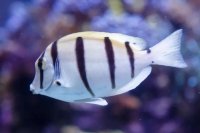
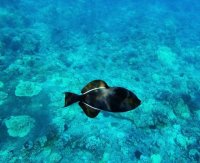
Water flow is another critical factor that varies by species. Agile swimmers like tangs and triggerfish relish strong currents and can even be fed more efficiently by using a powerhead to distribute food. In contrast, less mobile fish such as jawfish and blennies struggle to swim against powerful flow and prefer calmer zones near rocks or buried in the substrate. The arrangement of decor influences flow patterns, and in smaller nano tanks, water can bounce off walls, creating excessive turbulence. A simple test with a neutrally buoyant object, like a water-filled ping-pong ball, can help aquarists visualize flow and ensure it is not too strong or too uniform.
Hiding places are not optional luxuries; they are survival necessities. Without appropriate shelters, fish become stressed and may stop eating, leading to starvation and secondary infections. Blennies favor shallow caves in rocky outcrops, while damselfish seek deep, small crevices. Jawfish require soft sand to dig their underground homes, so gravel is unsuitable for them.
Clownfish are the most notable advocates for specialized housing. Many species form symbiotic relationships with specific anemones, which provide protection and a place to raise young, while the clownfish keep the anemone free of debris and pathogens. However, keeping anemones and soft corals introduces additional demands, including specific lighting and low-flow areas, and they may move if they dislike their spot.
Breeding adds another layer of complexity. Pairs need safe sites for eggs, such as caves, coral branches, or tank walls. Some species hold eggs in their mouths and become reclusive, while others may guard fiercely or, conversely, snack on their own eggs. Aspiring breeders must also plan for the offspring's future homes.
Designing a Mixed-Species Tank
When combining multiple species, tank size is the overriding concern. A larger water volume provides a buffer against maintenance lapses, which are inevitable even for dedicated hobbyists. If space is limited, consider smaller fish with modest territory needs rather than forcing a situation that cannot succeed. For those who dream of species requiring massive tanks, a membership at a local aquarium may be a more practical alternative.
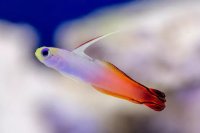
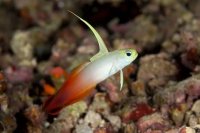
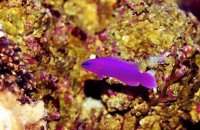
Some species are known for their easygoing nature and adaptability. Goby species, such as the electric blue goby, are small, colorful, and content with modest water volumes and tiny caves. Clownfish, in their many varieties, are also generally peaceful and can share a reef tank with a variety of fish, with the interesting quirk that all are born male and the largest becomes female.
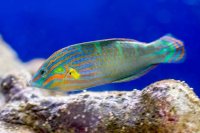
On the other end of the spectrum are fish that demand large tanks and aggressive tankmates. Triggerfish, for example, require a minimum of 300 gallons and are notorious for nibbling on live rock and corals, their beaks capable of crushing carefully arranged aquascapes. The goldbar wrasse, with its distinctive golden bar behind its gill, is among the most aggressive of its family, needing at least 125 gallons and being highly territorial; it should be added last to any tank. Sharks and rays, regardless of species, require vast water volumes and are particularly sensitive to water quality and tank conditions.
There is no single blueprint for a successful marine aquarium. Research before any purchase is the key to ensuring that every inhabitant can thrive in its new environment.