Steppe Tortoise Care: Essential Facts on Housing, Diet, and Health
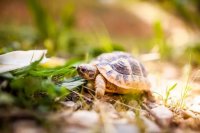
The steppe tortoise, scientifically known as Agrionemys horsfieldii (formerly Testudo horsfieldii), is a hardy species native to Central Asia, often kept as a pet due to its manageable size and distinctive personality. With a lifespan of around 50 years, these tortoises require a long-term commitment and specific care to thrive in captivity. This article provides a comprehensive overview of their housing, dietary, and health needs, based on information from established tortoise care resources.
Understanding the Steppe Tortoise
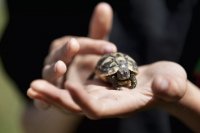
Commonly referred to as the Russian tortoise, Afghan tortoise, or four-toed tortoise, this species has recently been reclassified into its own genus, Agrionemys horsfieldii, though many keepers still use the older name Testudo horsfieldii. Adults typically reach lengths of 4 to 8 inches, making them a relatively small tortoise species. Their natural habitat includes arid steppes and rocky hillsides, which influences their care requirements in captivity.
Housing: Outdoor and Indoor Enclosures
Steppe tortoises are natural burrowers, often retreating underground during the hottest part of the day and at night. For outdoor housing, this means fencing must be buried deep into the ground to prevent escapes. The species tolerates a wide temperature range but is sensitive to damp conditions, so a dry, warm retreat is essential. Daytime temperatures should ideally be in the low to mid-80s Fahrenheit (around 27-29°C), with a drop at night. A shallow water dish should always be available.
Indoor enclosures are generally not recommended for long-term housing, but if necessary, a minimum size of 2 feet by 4 feet is advised. The substrate should be a mix of sand and soil, deep enough to allow burrowing. A basking spot of 90-95°F (32-35°C) should be provided, with a temperature gradient down to about 70°F (21°C) at the cool end. A hide box placed at the cooler end offers security, and a UVA/UVB lamp is essential for vitamin D synthesis. Humidity levels should be maintained around 60 percent.
Feeding and Nutrition
In the wild, steppe tortoises graze on grasses, weeds, and non-poisonous plants. In captivity, their diet should mimic this natural intake. A variety of leafy greens such as dandelion greens, endive, escarole, mustard greens, kale, romaine lettuce, and collards are suitable, along with hay (timothy or Bermuda). Natural grazing is ideal, and resources like RussianTortoise.org provide lists of edible plants. Fruits, grains, and animal protein should be avoided, as they can cause health issues. Calcium and vitamin D3 supplementation is recommended to prevent metabolic bone disease.
Health and Hibernation
Steppe tortoises naturally hibernate during the winter months, but only healthy individuals should be allowed to do so. Hibernation can be risky for sick or underweight tortoises, so a veterinary check-up is advised before the hibernation period. Proper diet, lighting, and temperature gradients are crucial for overall health and longevity.
Expert Resources
For those seeking further guidance, several online resources offer detailed care sheets. RussianTortoise.org, maintained by Joe Heinen DC, is dedicated exclusively to the proper care of Russian tortoises. Another valuable resource is an article by Darrell Senneke and Chris Tabaka DVM, which provides an in-depth discussion of the species' care. These references are widely respected within the tortoise-keeping community and offer practical advice for both novice and experienced keepers.
In summary, the steppe tortoise is a rewarding pet for those willing to meet its specific environmental and dietary needs. By providing a suitable habitat, a proper diet, and attention to health considerations, keepers can ensure a long and healthy life for these fascinating reptiles.