Red-Footed Tortoise Ownership: 50-Year Commitment and Care Guide
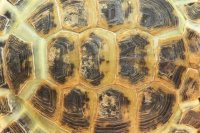
Red-footed tortoises, a species native to the forests and grasslands of Central and South America, have become a sought-after pet due to their striking shell patterns and relatively manageable size. However, prospective owners should be prepared for a long-term commitment, as these reptiles can live up to 50 years. The initial investment in equipment and food is substantial, and the daily care routine, while not overly demanding, requires consistency and attention to detail.
These tortoises are known for their docile temperament, though they generally prefer not to be handled. In the wild, they spend their days foraging and digging, and in captivity, they may hide or burrow when feeling stressed. Despite their lack of teeth, they possess strong beaks capable of delivering a painful bite, though such incidents are rare and usually unintentional. Unlike some other tortoise species, red-footed tortoises are relatively active during daylight hours, but after a large meal, they may rest for up to a week.
Housing and Environmental Needs
Adult red-footed tortoises typically reach 10 to 16 inches in length and can weigh up to 30 pounds, with males being slightly larger. Given their size, a sturdy, escape-proof outdoor enclosure is ideal, as they are native to tropical climates and thrive in humid conditions. The enclosure walls should be about 16 inches high and extend a few inches below ground to prevent digging and escape. A shallow water pan, sunk into the ground, provides a place for cooling off, but must be easy for the tortoise to climb out of. Dense vegetation or a doghouse-style shelter offers a cool retreat, and a sprinkler or mister can help maintain humidity levels.
Indoor housing is possible but requires a large enclosure, roughly 4 feet by 8 feet or larger. Temperature management is critical: daytime temperatures should be maintained between 85°F and 90°F, with a basking spot reaching up to 95°F. If nighttime temperatures drop below 70°F, supplemental heating is necessary to prevent respiratory infections or hypothermia. Red-footed tortoises do not hibernate, but they may become less active during colder months.
For indoor enclosures, full-spectrum UVB lighting is essential for vitamin D3 synthesis, which aids calcium absorption and bone health. A 10 percent fluorescent UVB tube with a reflector is recommended. Humidity levels should be kept between 50 and 70 percent, using a hygrometer to monitor conditions. A dig box filled with moist organic dirt or sphagnum moss, at least 6 inches deep, allows for natural burrowing behavior. Substrates like cypress bark, orchid bark, or sphagnum moss help retain humidity and should be changed every one to two weeks to prevent mold and bacterial growth.
Diet and Nutrition
In the wild, red-footed tortoises are omnivores, consuming a wider variety of foods than many other tortoise species. A balanced diet consists of 60 percent dark leafy greens and grasses, 15 percent vegetables, 15 percent fruit, and 10 percent tortoise pellets or animal protein. Recommended greens include dandelion greens, endive, mustard greens, and escarole, while kale, spinach, and broccoli should be offered only in small amounts. Fruits such as papaya, figs, and hard melons are well-tolerated, along with vegetables like carrots, parsnips, and sweet potatoes.
Animal protein, such as moistened low-fat cat food or lean meat, can be offered about once every two weeks. Calcium and vitamin D3 supplements should be added to their food three times a week. Fresh, filtered water should be provided daily, and the water pan should be cleaned regularly.
Health Concerns and Considerations
Red-footed tortoises are susceptible to several health issues, including shell rot, vitamin A deficiency, and parasitic infections. Shell rot, caused by bacteria or fungus, appears as flaky patches on the shell and typically requires antibiotics. Vitamin A deficiency can manifest as swollen eyes or ear infections, which also require antibiotic treatment. Parasitic infections, both external (ticks, mites) and internal (roundworms), are treatable with antiparasitic medications. Regular veterinary check-ups with an exotics specialist are recommended.
When selecting a tortoise, look for clear eyes, nose, and mouth, and a clean fecal vent. Avoid lethargic individuals or those with shell abnormalities. The price for a red-footed tortoise ranges from $150 to $500, with older tortoises costing more. Due to habitat loss and capture for the pet trade, wild populations have declined, so it is crucial to purchase captive-bred tortoises from reputable breeders, often found through referrals or reptile expos.
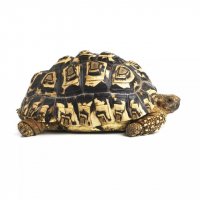
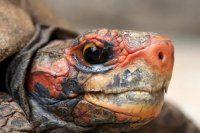
Owning a red-footed tortoise offers the advantage of a medium-sized pet that is relatively inexpensive and easy to care for, but the long lifespan and need for a warm climate are important factors to consider. For those interested in similar species, the cherry head red-footed tortoise, Hermann's tortoise, and leopard tortoise are worth exploring.