Pacman Frog Care: Enclosure, Feeding, and Health Tips for Owners
Pacman frogs, native to South America, are a popular choice among amphibian enthusiasts due to their distinctive appearance and relatively simple care requirements. However, potential owners should be aware that these frogs are not interactive pets; they are sedentary and prefer to remain buried in leaf litter, emerging only to feed. This article provides a comprehensive overview of their housing, dietary needs, and common health concerns, based on veterinary guidance and breeder recommendations.
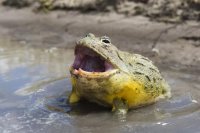
Named after the iconic arcade game character, Pacman frogs have a rounded body and an impressively large mouth, which they use to consume prey that ventures too close. In the wild, they are known to bite if threatened, but as pets, they are generally docile. Their feeding behavior is opportunistic: they will attempt to eat anything that moves within striking range, which is an important consideration for housing them.
Enclosure Essentials: Size, Substrate, and Humidity
Pacman frogs do not require a large living space; a 20-gallon tank is sufficient for a single adult. Because they are cannibalistic, they must be housed alone to prevent injury. A secure cage top is recommended to maintain temperature and humidity levels, although these frogs are not known escape artists.
The tank substrate should consist of paper or smooth rocks, topped with leaf litter or moss and live or artificial plants to provide hiding spots. Daily misting is necessary to keep humidity between 50% and 80%. A shallow water dish, placed in a warmer area of the enclosure, allows the frog to soak and drink without risk of drowning. The water should be kept clean to prevent bacterial growth.
Temperature and Lighting: Mimicking Tropical Conditions
Daytime temperatures should be maintained around 82°F (28°C), dropping to about 78°F (26°C) at night. An under-tank heater is the preferred heat source, as overhead incandescent bulbs can dry out the enclosure. If supplemental heat is needed during colder periods, a red incandescent bulb can be used. For lighting, a fluorescent fixture is adequate, though many owners find that regular room light suffices. A consistent 12-hour light/dark cycle is recommended, and some owners opt to provide UVA/UVB lighting to support the frog's well-being.
Feeding: From Insects to Rodents
Pacman frogs are not picky eaters. Juveniles can be fed gut-loaded insects such as crickets, mealworms, and wax worms daily. As they grow, their diet can include pinkie mice, and adults may consume medium-sized mice or pinkie rats. Some owners also offer guppies or even smaller frogs, but it's crucial to monitor the frog's body condition to avoid overfeeding. If the frog becomes overly round, reduce feeding frequency.
Health Watch: Recognizing and Preventing Common Ailments
Like many amphibians, Pacman frogs are susceptible to bacterial and fungal infections, often manifesting as redness, swelling, or pus on the skin or eyes. Parasitic infections are also common; if a frog is not eating well despite warm temperatures, a veterinary check-up is advised. Annual fecal exams can help detect parasite overgrowth. Respiratory infections, indicated by wheezing, drooling, or lethargy, can occur if humidity is too low. Ammonia poisoning, caused by unclean enclosures, is another risk and can be fatal if not addressed. Early veterinary intervention is key to successful treatment.
When selecting a Pacman frog, look for an active, alert animal with clear eyes and blemish-free skin. Observing it eat is a good sign, as healthy frogs rarely refuse food. Avoid frogs that appear lethargic, have difficulty breathing, or show a bloated abdomen. Purchasing from a reputable breeder who provides a health history is recommended, as captive-bred frogs are less likely to carry parasites than wild-caught specimens.
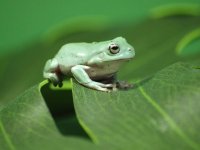
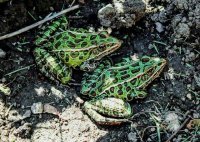
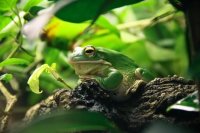
For those interested in similar species, the African bullfrog, leopard frog, and White's tree frog are alternatives worth exploring. Each has its own care requirements, so research is essential before committing to a new pet.