Pet Frog Feeding Basics: Live Insects, Schedules, and Safety
Feeding a pet frog is more than just dropping food in a tank. Unlike many pets, frogs are strict carnivores that rely on movement to trigger their feeding response, which means owners must offer live prey. The right diet varies by species, age, and activity level, but a few general rules apply to most captive frogs.
In the wild, frogs are opportunistic predators, consuming whatever fits in their mouths, including spiders, grasshoppers, and butterflies. Aquatic species also eat aquatic invertebrates. For pet frogs, the diet typically centers on commercially available insects, with occasional treats like small mice for larger species.
Staple Foods and Nutritional Variety
Crickets are the most common staple because they are easy to buy or raise at home. However, they are not necessarily the most nutritious option, so owners should "gut-load" them—feeding the insects a nutritious diet before offering them to the frog. This practice boosts the insect's calcium and vitamin content, which is vital for preventing bone disease.
Mealworms are another readily available option, often found at pet stores or bait shops. Bait shop mealworms, though, may not be gut-loaded, so they offer less nutritional value. Locusts and grasshoppers are harder to find but add variety. Caterpillars are increasingly available, but size matters—choose ones that are appropriately sized for the frog to avoid choking or digestive issues.
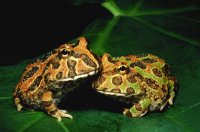
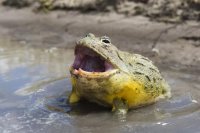
For aquatic frogs, small worms like bloodworms or tubifex worms form the main diet. Larger species, such as Pacman frogs or African bullfrogs, may eat mice. Owners can start with "pinkies" (newborn mice) and progress to larger prey as the frog grows. While frozen mice are available, many frogs refuse them, so live prey is often necessary.
Feeding Schedules and Portion Control
Feeding frequency depends on the frog's energy level and age. Young froglets (under 16 weeks) and high-energy species like dwarf frogs may need food daily or even twice a day. Medium-energy frogs typically eat every other day or every third day, with a guideline of offering as many insects as the frog can consume in 15 seconds. Overfeeding can lead to obesity, so it's important to remove uneaten prey after feeding.
Large, less active frogs, such as those that eat mice, may only need a meal once a week or every other week. The key is to observe the frog's condition and adjust portions accordingly.
Hydration and What to Avoid
Frogs do not drink water with their mouths; they absorb it through their skin. Therefore, maintaining high humidity and providing a clean, dechlorinated water source is essential. Owners can use a water dish and mist the enclosure regularly, or use a dechlorinator available at aquarium stores.
Certain foods are off-limits. Never offer fruits, vegetables, or human table scraps, as frogs cannot digest them. Wild-caught insects are also risky because they may carry pesticides, which can be toxic to frogs. Stick to commercially raised, gut-loaded insects to ensure safety and nutrition.
By following these guidelines, owners can provide a balanced diet that supports their frog's health and longevity. Always research the specific needs of your frog species, as requirements can vary significantly.