Build a Frog-Friendly Pond: A Guide for Native Amphibians
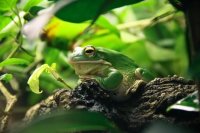
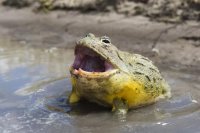
Creating a backyard pond that appeals to native frogs and toads is a practical way to support local wildlife while naturally managing insect populations. According to wildlife experts, the key is to replicate the natural habitat that local amphibians prefer, ensuring they stay and thrive rather than seeking better conditions elsewhere. However, success depends on regional factors: in areas where frogs are uncommon, attracting them may be difficult, and introducing them artificially is not recommended.
Why focus on native species? Non-native frogs either fail to survive or, worse, establish populations that disrupt local ecosystems. They can also introduce diseases like chytrid fungus, which has devastated amphibian populations worldwide. Native species, on the other hand, are already adapted to local weather and conditions, making them easier to accommodate.
Designing the Pond for Easy Access
The most critical feature of a frog pond is easy entry and exit. Sloped sides using a flexible liner allow frogs to move freely between water and land. If using a pre-formed liner, create ramps with rocks or other materials. The pond doesn't need to be large; even a modest size can be effective.
Frogs prefer quiet, still water, so skip aeration, filtration, and waterfalls. These features create currents and noise that deter frogs. Also, avoid adding fish, as they are natural predators of frog eggs and tadpoles.
Plants, Shelter, and Cleanliness
Incorporate a mix of submerged, floating, and emergent native plants, as recommended by wildlife stewards at Oregon State University. Water lilies provide cover and shade, while surrounding plants like hostas, ferns, and wildflowers offer shelter. Letting grass grow longer around the pond adds extra hiding spots.
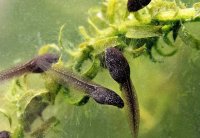
Resist the urge to keep the pond pristine. Organic matter, including leaves and algae, creates a natural environment and provides food for tadpoles. This natural messiness supports the pond's ecosystem.
Provide additional shelter by placing clay plant pots on their sides, partially buried, to offer cool, damp hiding places from predators. Limit access for dogs and cats, possibly with a wire fence, to reduce threats.
Avoiding Chemicals and Patience
Frogs are highly sensitive to pollutants, so avoid garden chemicals that could harm them. Once the pond is established, be patient—it may take time for local frogs to discover it. Do not catch adult frogs, as they have established territories and may try to return. If local laws permit, you might collect tadpoles, but always check regulations, as this is illegal in many areas.
Never release captive frogs into your pond or the wild. Non-native species can become invasive, and even native captive frogs may carry diseases that could be fatal to wild populations. The pet trade is a suspected contributor to the spread of chytrid fungus, a major driver of amphibian declines. Responsible ownership means keeping pets contained.
By following these guidelines, you can create a thriving habitat that supports local amphibian populations and enhances your backyard's biodiversity.