Pet Frog Bloating: Causes, Diagnosis, and Treatment Options
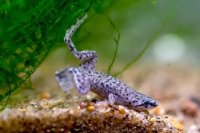
When a pet frog suddenly appears swollen, owners may be alarmed. This condition, known as dropsy or edema, is a serious health issue that primarily affects African dwarf frogs but can also occur in other species kept as pets. The swelling is not from air but from fluid accumulation inside the frog's body, often appearing overnight and causing significant discomfort.
Veterinarians may refer to this condition as edema, hydropsy, bloat, or ascites, all describing the same underlying problem: fluid buildup in the abdominal cavity. The lymphatic system, which normally circulates lymph fluid, fails to drain properly, causing fluid to accumulate in tissues and the abdominal space.
Recognizing the Signs and Seeking Diagnosis
Owners should not assume dropsy without consulting an exotic veterinarian. Other causes, such as ingesting gravel or rocks from the enclosure, can also lead to swelling. An X-ray can rule out foreign object ingestion, but often a physical exam and needle aspiration of the abdominal fluid are sufficient for diagnosis.
The pressure from the fluid buildup affects internal organs, including the kidneys, liver, and spleen, similar to the pressure felt in glaucoma. This can cause lethargy and loss of appetite, which are common signs that owners might notice.
Treatment and Prevention Challenges
Because the exact cause of dropsy remains unknown, a cure is not available. However, treatment focuses on relieving symptoms. A veterinarian can drain the excess fluid from the frog's abdomen, which often provides immediate relief from pressure and discomfort.
Home treatments are strongly discouraged. Adding salt to the enclosure can be fatal, and attempting to drain the fluid at home risks puncturing internal organs. In severe cases, euthanasia may be discussed if the prognosis is poor.
Prevention is difficult due to the unknown cause, but maintaining clean, chlorine-free water with a neutral pH (7.0 to 7.2) is recommended. Dropsy is not contagious, and some theories suggest electrolyte imbalances in the water may play a role.
Owners are urged to seek professional veterinary care at the first sign of swelling, as early intervention can improve the frog's comfort and outcome.