Bearded Dragon Cloacal Prolapse: Causes, Emergency Care, and Prevention
A pink bulge emerging from a bearded dragon's rear end while it strains is a distressing sight for any owner, but it signals a condition known as cloacal prolapse that demands immediate attention. This medical emergency can stem from several underlying issues, and delaying treatment risks permanent tissue damage or even death. Understanding the root causes and knowing the proper response can make a critical difference in your pet's outcome.
What Triggers a Prolapse?
One of the most frequent culprits is a lack of calcium, which weakens bones and impairs muscle contractions that normally hold internal organs in place. This deficiency often arises from a diet low in essential nutrients or from inadequate UVB lighting in the enclosure, both of which are vital for calcium absorption. To prevent this, owners should gut-load crickets, dust them with a calcium-containing multivitamin, and ensure the habitat provides proper UVB exposure.
Parasitic infections are another common trigger, as heavy parasite loads cause straining during defecation. A fecal examination by an exotic veterinarian can identify the problem, and if positive, a deworming regimen is typically prescribed to clear the infection and reduce the risk of recurrence.
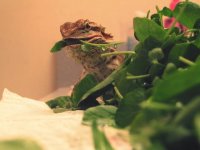
Diarrhea, often from watery foods, can also lead to straining and prolapse. Offering nutrient-dense, fiber-rich options like dark leafy greens helps firm up stools and ease the passage.
Female bearded dragons that are laying eggs, have recently laid, or are attempting to lay—even without a male—may strain excessively and prolapse. Proper calcium and UVB support help maintain normal contractions, and for chronic egg-laying issues, an exotics vet can discuss spaying to prevent future prolapses.
Immediate Response and Veterinary Care
If a prolapse occurs, the first step is to keep the exposed tissue moist with lubricating gel or water to prevent drying and damage. A sugar-water soak can help shrink the tissue by drawing out excess fluid, making replacement easier. However, the safest course is to contact an exotic veterinarian immediately, as the tissue is delicate and can tear easily.
For those unable to reach a vet quickly, a careful home attempt is possible: keep the tissue lubricated, use a gloved finger pad—never a Q-tip—and apply gentle, wide pressure to push the tissue back into the cloacal opening, working from the outside in. If any resistance or difficulty arises, stop and rush the dragon to a vet. In some cases, sedation or anesthesia is needed to relax the animal, and sutures may be placed on either side of the cloaca to hold the prolapse in place.
Preventing Recurrence and Long-Term Outlook
Once the prolapse is resolved, identifying and treating the underlying cause is essential to prevent it from happening again. If a prolapse remains out for an extended period without lubrication, tissue death can occur, potentially requiring surgery to remove necrotic tissue. In severe cases, euthanasia may be recommended by the veterinarian.
Owners should prioritize regular veterinary check-ups, including fecal tests, and maintain a balanced diet with proper UVB lighting. These steps not only address immediate threats but also support the long-term health and well-being of bearded dragons, reducing the likelihood of this alarming condition.