Bearded Dragon Morphs: From Classic to Rare Genetic Lines
Bearded dragons are among the most popular pet reptiles, and part of their appeal lies in the remarkable diversity of their appearance. Through selective breeding, dozens of distinct morphs—variations in color, pattern, and scale structure—have been developed. While some are common and affordable, others are rare and highly sought after by enthusiasts.
Understanding these morphs is key for anyone considering adding a bearded dragon to their home. Each type has its own visual traits, and some require more specialized care than others. Below is a breakdown of the most recognized morphs, from the familiar classic to the striking zero.
Common and Accessible Morphs
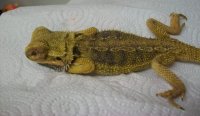
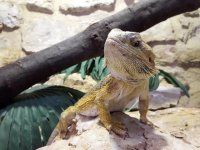
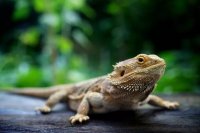
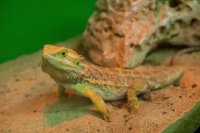
The classic or standard morph is the baseline against which all others are measured. These dragons resemble their wild counterparts, with backs covered in small spikes, large triangular heads, and a prominent beard. They come in a range of colors, including tan, red, yellow, and combinations with black and orange markings. Because they are the most common, they are also typically the least expensive.
The hypomelanistic morph, often called "hypo," has a reduced ability to produce dark pigments, giving it a pastel, muted appearance. Their nails are usually clearer than those of other morphs, and they lack dark patterns and colors. This morph is fairly common and retains the standard body type with spikes.
The leatherback morph is distinguished by its smooth back, lacking the spikes that are typical of other types. They do have spikes on their heads and sides, and the absence of back spikes makes their colors appear more vivid. Leatherbacks are rarer than standard or hypo morphs but are popular for their striking look.
Pattern and Scale Variations
The Dunner morph, named after the breeder who created it, has an irregular scale pattern. Unlike the symmetrical stripes seen on many bearded dragons, Dunner markings go in various directions, and their scales are not organized. They often have more scales than other morphs, and even patternless individuals can be identified by their unorganized scale arrangement.
The paradox morph is the result of crossbreeding several different morphs, producing a dragon with blotches of bright colors that look like paint splattered on its body. The pattern is unpredictable and unique to each individual.
The silkback morph, also known as a "silty," completely lacks the spikes that other bearded dragons have. Its skin is smooth and soft to the touch, and its colors are vibrant because there are no scales to obscure them. However, silkbacks are more difficult to care for than other morphs, requiring extra attention to skin health and humidity.
Rare and Specialty Morphs
The German giant morph looks like a standard dragon but grows to a much larger size. It is impossible to know if a dragon is a German giant until it is fully grown, and these giants require a significantly larger enclosure due to their size.
The translucent morph has nearly see-through spikes and scales, and many are also hypomelanistic, making them lighter in color. Baby translucent dragons have an almost clear belly that appears blue, similar to a leopard gecko. Adults typically have solid dark eyes with no visible iris, and some have blue eyelids—a trait that sets them apart.
The witblits morph is a very pale, patternless dragon that can come in different solid colors. It is more muted than a hypo but not as extreme as a zero. The zero morph is extremely rare, completely lacking patterns and colors, resulting in a white dragon that is growing in popularity.
The wero morph is a newer addition, created by combining the witblits and zero morphs. It often resembles a zero but has splotches of darker colors near its tail.
For prospective owners, the choice of morph is often a balance between aesthetics and care requirements. While all bearded dragons share basic needs, rare morphs like the silkback and German giant may demand more specialized housing or handling. As with any pet, research and preparation are essential to ensure a healthy and happy companion.