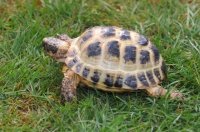
Cherry Head Tortoise Ownership: Habitat, Diet, and Health Essentials
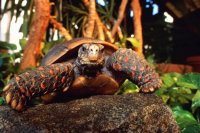
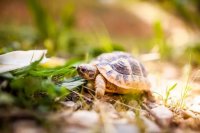
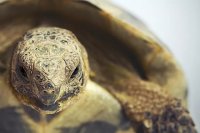
Cherry head red-footed tortoises, a naturally occurring variant of the red-footed tortoise, are native to Brazil's riverbanks and forest edges. These tortoises, known for their bright red or orange leg and head markings, are increasingly popular pets, but they demand a long-term commitment and specific care routines.
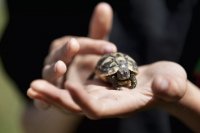
Prospective owners should be aware that these tortoises require several hours of weekly attention for feeding and enclosure maintenance. They are not animals that enjoy frequent handling; excessive handling can cause stress, which may lead to health issues. However, with patient and consistent interaction, they can become accustomed to human presence.
Behavior and Temperament
Cherry head tortoises are described as hardy, somewhat shy, and intelligent. They quickly learn feeding schedules and navigate their enclosures with ease. Their keen sense of smell and sensitivity to touch mean that gentle handling is crucial. Overhandling can lead to stress-related illnesses, potentially fatal. They are generally not territorial and can be kept in groups, but males may compete for female attention, so observation is advised.
These tortoises are diurnal, active during the day, and may rest after large meals. They do not hibernate, but they may slow down in cooler months. Year-round care is essential, including regular cleaning, monitoring of heat and humidity, and a balanced diet.
Housing and Enclosure Requirements
Outdoor housing is ideal in suitable climates. Enclosures must be escape-proof, with walls at least 16 inches high and extending below ground to prevent digging. Transparent fencing should be avoided as it may encourage escape attempts. Netting or wire tops can protect against predators. A muddy wallow and a shallow water pan for wading are recommended, along with dense vegetation for cooling and a doghouse-type shelter for protection.
For indoor housing, a minimum enclosure size of 3 feet by 5 feet is necessary. Large plastic storage containers or tortoise tables are common choices, especially for young tortoises. A water pan for soaking and a hide box at the cool end are essential.
Temperature, Lighting, and Humidity
Outdoors, cherry head tortoises can tolerate daytime temperatures up to 100°F if shade and water are available. If nighttime temperatures drop below 60°F, a heated shelter is required, ideally in the 70s°F. Indoors, maintain ambient temperatures between 68°F and 80°F, with a basking spot of 95°F provided by a heat lamp.
Indoor enclosures need a UVB light for 12 to 14 hours daily to simulate natural daylight and aid calcium absorption, preventing metabolic bone disease. Outdoors, natural sunlight provides necessary UVB. Humidity levels should be maintained between 70% and 80%, using a water pan and occasional misting, with a hygrometer for monitoring.
Substrate choices include peat moss, coconut coir, paper, or cypress bark, which retains humidity well. Outdoors, natural soil is suitable unless treated with chemicals or fertilizers.
Diet and Nutrition
Cherry head tortoises are omnivores, with a more varied diet than many other tortoise species. Fresh dark leafy greens such as dandelion greens, endive, mustard greens, and escarole should be offered. Additional vegetables and fruits like carrots and clover hay can be included. Animal protein should be limited to small servings of moistened low-fat cat food or lean meat biweekly. Calcium and vitamin D3 supplements should be administered several times weekly.
Feeding frequency varies by age and size, with daily or every-other-day schedules common. A veterinarian can provide tailored advice on quantities and intervals.
Health and Common Issues
Shell rot, a bacterial or fungal infection, is a common health issue, presenting as flaky shell patches. It can become serious and typically requires antibiotic treatment. Vitamin A deficiency, causing swollen eyes, and ear infections due to unsanitary conditions are also possible. Both often resolve with veterinary care.
When acquiring a cherry head tortoise, it is crucial to avoid wild-caught specimens, as the species is vulnerable to extinction due to capture and sale. Reputable breeders or rescues are recommended. Hatchlings and young tortoises typically cost between $200 and $500. Choose an alert tortoise with bright eyes, avoiding those with lethargy or discharge, which may indicate respiratory infections.
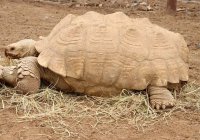
Similar species to consider include the sulcata tortoise, Hermann's tortoise, and Greek tortoise, each with its own care requirements.