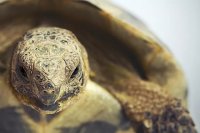
Indian Star Tortoise Care: Indoor and Outdoor Setup, Feeding, and Health
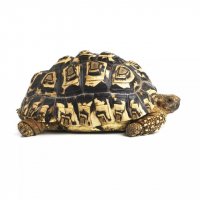
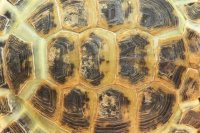
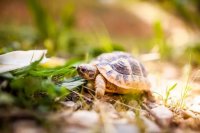
The Indian star tortoise, with its distinctive star-patterned shell, is a small, shy reptile native to the arid regions of India, Pakistan, and Sri Lanka. While they can adapt to indoor living, these tortoises thrive outdoors in warm climates with access to natural sunlight. However, they are not ideal pets for everyone: they require a carefully controlled environment, a specific diet, and minimal handling. This article provides an overview of the essential aspects of Indian star tortoise care, including housing, heating, lighting, humidity, diet, and health considerations.
Understanding Behavior and Handling Needs
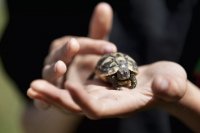
Indian star tortoises are not territorial, making them suitable for cohabitation in groups, and they are not climbers. They are, however, sensitive to handling and can become stressed and ill if handled frequently, so they are not recommended for homes with small children. While they may become more comfortable with occasional handling, especially when food is offered, they rarely bite—though a nip might occur if a bright toenail is mistaken for a flower petal. Daily care involves about 45 minutes of meal preparation, water bowl changes, and cage spot-cleaning.
Housing: Indoor and Outdoor Enclosures
Despite their small size, Indian star tortoises need ample space. Indoors, a 55-gallon fish tank or a large plastic storage container works well, with no need for high walls. If there are other pets like cats or dogs, the enclosure must be fully enclosed, ideally with a screen top, to protect the tortoise. Outdoor enclosures should be about 6 feet by 6 feet, with walls high enough that the tortoise cannot see over them. Since they are not diggers, walls do not need to be buried, but a secure covering is essential to protect against predators such as birds, raccoons, and opossums.
Replicating their natural environment can be challenging outside of their native climate, especially the significant rainy season they are accustomed to. Humidity is a key factor for their health.
Temperature, Lighting, and Humidity Requirements
As cold-blooded reptiles, Indian star tortoises need to regulate their body temperature. Outdoor enclosures should reach at least 90°F, with a basking spot between 90°F and 95°F. Nighttime temperatures can drop to the 70s, but not lower. The enclosure must include shade spots and a water bowl large enough for the tortoise to submerge and climb out of. Indoors, similar conditions are needed, with heat sources like light bulbs, ceramic heaters, or under-tank heaters to control temperature.
UVB lighting is crucial for indoor tortoises, as it helps them process vitamin D3, which is essential for calcium absorption. Inadequate UV exposure can lead to metabolic bone disease. A mercury vapor bulb or a 10% fluorescent UVB bulb can be used, with the bulb on a 12-hour cycle and replaced every six months, even if it still works.
Humidity is another critical factor. A moist hide box with up to 80% relative humidity and a water bowl with a graduated slope for easy access are recommended. Substrates like peat moss or soil help maintain humidity, and a hygrometer should be used to monitor levels daily.
Substrate and Diet
The enclosure substrate should be organic potting soil (chemical- and vermiculite-free), peat moss, coconut fiber, or hay/grass. Although not big diggers, females may burrow to create nests for eggs.
Indian star tortoises are herbivores, requiring a diet of fresh, dark leafy greens and grasses. Timothy hay, Bermuda grass, orchard grass, ryegrass, alfalfa, and fescue are all acceptable. Suitable greens include kale, endive, parsley, dandelion greens, escarole, spineless cactus leaves, and mustard greens, which have a higher calcium-to-phosphorus ratio. Calcium powder should be dusted on greens daily, and fruit can be offered occasionally as a treat. Feed once daily at the same time, using several food trays to encourage foraging, and provide as much as the tortoise can eat in 15-30 minutes or about the size of its shell. Water should be changed and cleaned daily, using filtered water if available.
Common Health Issues and Choosing a Healthy Tortoise
Respiratory infections are relatively common in captive tortoises, often caused by unsanitary conditions or insufficient humidity. Early signs include wheezing, lack of appetite, lethargy, and excess mucus around the mouth and nasal passages. Metabolic bone disease is another concern, resulting from an improper calcium-phosphorus balance and inadequate UV exposure. Symptoms include abnormal shell growth, difficulty walking, and bone fractures. These conditions are treatable by an exotics veterinarian specializing in reptiles.
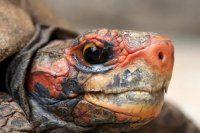
When selecting an Indian star tortoise, it is best to purchase from a reputable breeder, as captive-bred tortoises are less prone to parasitic infections. A credible breeder will provide information on the tortoise's breeding, birthdate, and health history. Prices typically range from $600 to $3000, with juveniles generally cheaper than breeding females. Before bringing a tortoise home, examine its shell for patchy dry spots (indicating shell rot), and check for clear eyes, smooth skin, and an active demeanor.
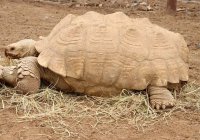
Indian star tortoises are long-lived pets, potentially outliving their owners, so some owners make arrangements in their wills. For those considering a tortoise, similar species like the Sulcata, Hermann's, and Greek tortoises may also be worth exploring.