Hermann's Tortoise Ownership: Key Facts on Housing, Diet, and Health
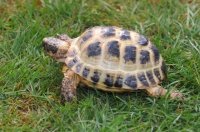
Prospective owners of the Hermann's tortoise, a Mediterranean species native to rocky hillsides and oak and beech forests in southern Europe, should be prepared for a pet that thrives outdoors in a climate similar to its homeland. While these tortoises are known for their gentle nature and attractive yellow-and-brown shells, their care involves specific requirements for space, temperature, and diet, especially if kept indoors.
The Hermann's tortoise is a passive creature that rarely bites, reserving defensive behavior for when it feels threatened. They prefer to stay on the ground and do not enjoy being handled. These active reptiles spend their days running, digging, foraging, and sunbathing, and they are not adept climbers. During the spring and fall mating seasons, males may chase and ram females, which can cause injury, so it is recommended to house males and females separately unless breeding is intended.
Housing: Outdoors Is Best
Adult Hermann's tortoises do not fare well indoors, so a suitable outdoor enclosure is strongly recommended. The outdoor climate should resemble that of Mediterranean countries like Italy, Greece, Bulgaria, and Romania. An ideal habitat includes a shallow water pan sunk into the ground for drinking and cooling, rocks, small trees and bushes, and a shelter for protection from extreme weather and predators. The pen must be escape-proof, with fencing or sides buried a couple of feet underground to prevent burrowing.
If indoor housing is necessary, a relatively large enclosure of at least 2 feet by 4 feet is required. Cleanliness is crucial: scoop visible waste regularly, change the water pan daily, and replace the substrate every one to two months.
Temperature, Lighting, and Humidity
For outdoor housing, daytime temperatures should average 80°F to 86°F (27°C to 30°C), not falling below 65°F to 70°F (18°C to 21°C) at night. Indoor enclosures should mimic these conditions, with lighting as the primary heat source. A basking spot with an ambient temperature of about 95°F (35°C) should be provided, using low, flat rocks. Tortoises require UVB light to synthesize vitamin D3, which is essential for calcium absorption and bone health. Indoor enclosures should include a 10 percent fluorescent UVB tube light with a reflector to direct rays downward.
Humidity is not a major concern; levels of at least 25% are generally adequate. For substrate, a mix of soil, sand, and composted cypress bark, about 2 inches deep, allows for digging and burrowing.
Diet and Feeding
A Hermann's tortoise's diet should mimic wild foraging, consisting of a variety of leafy greens and grasses, supplemented with smaller amounts of fruits and vegetables such as broccoli, cabbage, cauliflower, cucumber, carrots, apples, apricots, grapes, melons, peaches, and strawberries. Feed once daily at the same time, offering as much as the tortoise can eat in 15 to 30 minutes, or a pile roughly the size of its shell. Indoor tortoises need calcium and vitamin D3 supplements, often found in high-quality tortoise food. Wild tortoises may eat insects, slugs, and carrion, but these should be offered only in moderation. Never feed dog or cat food. Water should be changed daily and filtered.
Health and Hibernation
If temperatures drop below 50°F, some tortoises may hibernate, but indoor tortoises should be kept active year-round by maintaining a consistent enclosure temperature. During mating season, males can become aggressive, so daily inspections for wounds are important; any injuries should be cleaned and treated with antibacterial medication, or seen to by an exotics veterinarian. Common health problems include respiratory infections, often due to inadequate lighting, heating, or cleanliness, which may require antibiotics; metabolic bone disease from calcium deficiency, preventable with proper lighting and treatable with liquid calcium; and cloaca prolapse, which requires veterinary intervention.
When purchasing a Hermann's tortoise, expect to pay $150 to $500, with higher prices for older animals. It is best to buy directly from a reputable breeder to ensure the tortoise was not taken from the wild and has received proper care. Avoid pet shops or dealers, as their animals may come from less reliable sources. A healthy tortoise should have a smooth shell, clear eyes, nose, and mouth, and well-formed feces.