Dottybacks: Compact, Colorful, and Territorial Reef Aquarium Residents
Dottybacks, a genus of small, vibrantly colored marine fish native to Indo-Pacific coral reefs, are a popular choice for saltwater aquarists, but their diminutive size belies a fiercely territorial nature. These fish, which can be aggressive despite their small stature, require specific care to thrive in a community tank, including ample hiding spots and a carnivorous diet. Their reproductive biology is equally intriguing, with many species exhibiting hermaphroditic traits that influence breeding strategies.
Originating from the diverse coral reef ecosystems of the Indo-Pacific, dottybacks are known for their bright hues, making them a visually striking addition to any reef aquarium. Many species are now successfully captive-bred, and even hybrids are available that adapt well to aquarium life. Aquarists are encouraged to choose captive-bred specimens to reduce pressure on wild populations.
Color Variations and Tankmate Compatibility
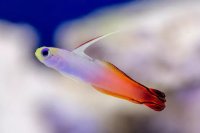
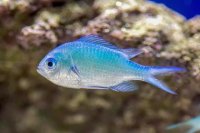
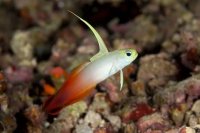
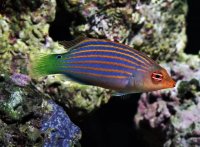
The genus displays a range of color patterns. The Purple or Orchid Dottyback is recognized for its intense purple coloration, while the Indigo or Electric Indigo, a captive hybrid, features a bright blue lateral stripe mixed with white and black. The Neon and Purple Stripe Dottybacks exhibit a mix of bright colors arranged both vertically and horizontally along their sides. Regardless of the species, these fish add a splash of color to a saltwater setup.
Despite their appeal, dottybacks can be aggressive, especially when defending their chosen cave or crevice. They generally fare well in community tanks with semi-aggressive fish that are too large to compete for small hiding spots, such as Flame Angelfish, certain Tangs, and Surgeonfish. To keep multiple dottybacks, it is crucial to introduce them simultaneously to prevent one from establishing dominance over overlapping territories.
Habitat, Diet, and Breeding Considerations
Providing adequate hiding places is essential for dottyback well-being; without them, they become stressed and more aggressive toward tankmates. Small crevices and caves suffice, but they should not be shared with other small fish like damselfish. Water quality is paramount, and the choice of salt mix matters—a marine mix, not a reef or coral mix, is recommended for tanks without corals.
As carnivores, dottybacks need a meaty diet, including dried or frozen shrimp. Frozen foods may lose water-soluble vitamins like Vitamin C, so supplementing with complete pelleted diets is advisable. A varied diet, selected from the appropriate spectrum (herbivore, omnivore, or carnivore) based on the tank's inhabitants, is key to their health.
Dottybacks exhibit fascinating reproductive strategies. They may be simultaneous hermaphrodites, possessing both male and female organs; protogynous, starting as females and converting to males; or protandrous, starting as males and converting to females. The Orchid Dottyback, for example, is protogynous, with the largest fish in a group becoming male. Breeding requires knowledge of the species' reproductive model, a suitable environment, and a proper diet. Eggs are laid in caves and hatch in about four days, but fry are vulnerable to predation, necessitating a separate breeding tank and an appropriate larval diet.
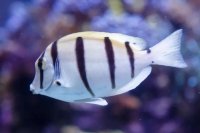
For those interested in expanding their saltwater community, compatible species include the Convict Tang, Emperor Angelfish, and Pinktail Triggerfish, as noted in related care guides.