Blue Green Chromis: A Hardy, Reef-Safe Choice for Saltwater Newcomers
For saltwater aquarium enthusiasts seeking a lively yet non-aggressive addition, the Blue Green Chromis (Chromis viridis) stands out as a practical option. This small damselfish, native to the tropical Pacific, brings a shimmering blue-green hue to home tanks and is known for its resilience, making it a favored pick among novice aquarists.
In the wild, Blue Green Chromis are found in the warm waters east of the Philippines, New Guinea, and eastern Australia, where they inhabit coral reefs and lagoons. They naturally form schools, a behavior that carries over into captivity, where they thrive in groups of three to five individuals. Their peaceful demeanor sets them apart from many other damselfish species, which are often territorial.

One of the key attractions of the Blue Green Chromis is its compatibility with reef tanks. Unlike some fish that nibble on corals or invertebrates, this species leaves corals undisturbed. While they may occasionally prey on tiny juvenile shrimp or crabs, they generally ignore larger invertebrates, making them suitable for both fish-only and reef setups.
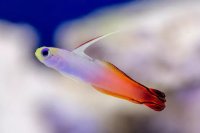
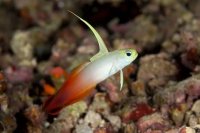
When selecting tankmates, it's important to avoid large predatory fish that could see the Chromis as a meal. Peaceful species such as firefish gobies, flame angelfish, flame hawkfish, and yellow tang are often recommended companions. Introducing the most peaceful fish first and gradually adding more assertive species can help minimize territorial disputes.
Habitat and Care Essentials
Blue Green Chromis are active swimmers, so a tank with ample open water in the middle and upper levels is ideal. However, they also appreciate having a small cave or crevice for resting. A tank that provides both swimming space and hiding spots will help these fish feel secure. Overcrowding should be avoided, as it can lead to aggression, poor water quality, and health issues.
These fish are omnivores, requiring a varied diet that includes both meaty and plant-based foods. A mix of high-quality flakes, pellets, and frozen foods ensures balanced nutrition. Feeding small amounts several times a day mimics their natural foraging behavior and supports digestive health. Overfeeding can degrade water quality and spur unwanted algae growth, so careful observation during feeding is advised.
Breeding Behaviors and Gender Differences
Sexing Blue Green Chromis is challenging, as males and females look similar. However, mature males may develop a pale yellow coloration during spawning season, a temporary change that signals readiness to build a nest. Breeding in captivity is possible under optimal conditions, though it requires a separate tank to protect the eggs and fry.
In a breeding setup, males construct nests in the sand bed, where multiple females may deposit eggs. After external fertilization, the male guards the nest until the eggs hatch, typically within a few days. Unfertilized eggs are often consumed by the male. Once the fry emerge, adults must be removed to prevent predation, and the young require a high-fat, high-protein diet for proper development.
For those new to saltwater aquariums, the Blue Green Chromis offers a forgiving introduction to reef keeping. Its hardiness, peaceful nature, and striking appearance make it a rewarding species that can bring both color and activity to a home tank.