Hawaiian Wrasse Diversity: From Reef to Aquarium
Hawaii's coral reefs are home to an extraordinary array of wrasse species, many of which are found nowhere else on Earth. From the state's most common reef fish to rare deep-water inhabitants, these colorful creatures offer a fascinating glimpse into the Pacific's marine biodiversity. However, their transition to home aquariums is often fraught with challenges, particularly for juveniles that struggle to adapt to captive diets.
The saddle wrasse (Thalassoma duperrey) holds the distinction of being Hawaii's most abundant reef fish, reaching lengths of up to 10 inches. This endemic species is closely related to the sunset wrasse and occasionally hybridizes with it. Meanwhile, the blacktail wrasse (Thalassoma ballieui), also endemic, grows to 15 inches and is locally common, with males displaying distinctive black tails and dark blue pectoral fins.
Size and Habitat Variations
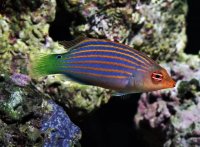
Wrasse species in Hawaiian waters exhibit remarkable diversity in size and preferred environments. The diminutive four-lined wrasse (Pseudocheilinus tetrataenia) reaches only about 2.5 inches and is commonly found among finger coral at scuba depths, while the Hawaiian hogfish (Bodianus albotaeniatus) can grow to 20 inches and is frequently spotted in barren areas. The slingjaw wrasse (Epibulus insidiator), which attains 14 inches, is rarely seen in aquariums as it inhabits only the Northwestern Hawaiian Islands, from French Frigate Shoals to Midway.
Some species prefer deeper waters, such as the sunrise wrasse (Bodianus sanguineus), which lives below 150 feet and is found only in Hawaii, reaching just 4 inches in length. The pencil wrasse (Pseudojuloides cerasinus) is locally common over rubble and dead coral deeper than 40 feet, where males maintain harems of females.
Aquarium Care Challenges
For aquarium enthusiasts, the primary challenge with wrasses lies in their feeding habits. Juvenile yellowtail coris (Coris gaimard) often fail to thrive in captivity, frequently wasting away due to refusal to accept prepared foods. Experts recommend acquiring sub-adult specimens larger than 2 inches that are already eating well. Similarly, juvenile black and white wrasses (Coris flavovittata) have difficulty adapting to tank-fed diets, though sub-adults and adults fare better. Given that this species can reach 20 inches, a spacious tank is essential.
The Hawaiian cleaner wrasse (Labroides phthirophagus) presents a unique challenge: as an obligate feeder on the ectoparasites of other fish, it will not survive in an aquarium unless these specific dietary needs are met. This endemic species, which grows to 5 inches, typically sets up cleaning stations on reefs where other fish visit to have parasites removed.
Behavioral Traits and Compatibility
Many wrasses exhibit shy behavior initially but become bolder once acclimated to aquarium life. The elegant wrasse (Coris venusta), an endemic species reaching 8 inches, is known to hide frequently and appreciates ample cover. It eventually becomes confident enough to take food from a keeper's hand. The eight-lined wrasse (Pseudocheilinus octotaenia) displays similar tendencies and also requires a clean substrate for burrowing, as it is prone to bacterial infections.
Compatibility varies among species. The ornate wrasse (Halichoeres ornatissimus) is non-aggressive and safe with corals, but may prey on fan worms, small hermit crabs, snails, and ornamental shrimps. The four-lined wrasse, while small, can act aggressively toward peaceful wrasses and other small fish. The harlequin tusk wrasse (Choerodon fasciatus), originating from the Indian Ocean and Australia, should be kept singly, as it will consume small crustaceans and snails, though it leaves corals alone.
Hawaii's wrasse populations offer both beauty and complexity for marine aquarium hobbyists. Understanding each species' unique requirements—from diet to tank size—is crucial for successful captive care. With proper planning and attention to these details, many of these remarkable fish can thrive in home aquariums, bringing a piece of Hawaii's reefs into living rooms around the world.