Leopard Tortoise Ownership: Key Facts on Space, Diet, and Well-Being
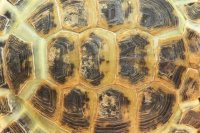
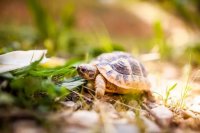
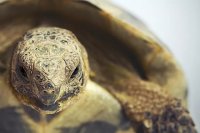
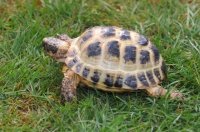
Leopard tortoises, native to South Africa, Ethiopia, and Somalia, are among the largest tortoise species, distinguished by their spotted shells. They are long-lived, potentially exceeding 100 years, and require significant space and specific environmental conditions, making them a substantial commitment for any owner.
These reptiles are generally calm and non-aggressive, rarely biting, but they do not appreciate frequent handling. In captivity, they tend to be docile, though males may show aggression during mating season. Unlike some tortoise species, leopard tortoises are not prone to climbing or burrowing extensively, but they do need ample room to roam and forage.
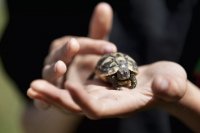
Because of their size and need for warmth, leopard tortoises are not ideal for novice keepers. They thrive in outdoor enclosures in warm climates, but owners in colder regions must provide a heated indoor setup. A yard pen should include a secure fence to deter predators, a hiding spot, and bare ground for digging. Hatchlings are particularly vulnerable and should be kept indoors for the first few months.
Housing and Environmental Needs
For indoor housing, a minimum enclosure size of 10 feet by 10 feet with walls at least 2 feet high is recommended. Substrate choices vary: newspapers are practical for secondary enclosures, while a grass or hay substrate, or an organic soil-sand mix, better mimics their natural habitat. Feeding should occur on grass or solid surfaces to prevent accidental ingestion of sand.
Temperature regulation is critical. Daytime temperatures should range from 75 to 90 degrees Fahrenheit, with a basking spot reaching 95 degrees. Nighttime temperatures should not drop below 70 degrees. Indoor setups require reptile heat bulbs or ceramic emitters to maintain a temperature gradient. UVB lighting is essential for indoor tortoises, providing 10-12 hours of exposure daily, and bulbs should be replaced every six months as their UV output diminishes.
Humidity levels should be maintained between 40% and 60% during the day, rising to 70-80% at night, achievable by misting the substrate. A hygrometer is useful for monitoring moisture levels.
Diet and Nutrition
Leopard tortoises are herbivorous grazers, with about 98% of their diet consisting of high-fiber grasses and greens. Pesticide-free outdoor grass is ideal, supplemented daily with dark leafy greens such as dandelion greens, collard greens, and watercress, along with small amounts of other vegetables like carrots. Foods high in oxalates, such as beet greens, Swiss chard, and spinach, should be avoided as they can bind calcium. Animal protein, including dog or cat food, is harmful and can damage their kidneys.
Indoor tortoises require calcium and vitamin D3 supplements, often provided via high-quality tortoise food and cuttlebone pieces. Clean, filtered water should be available at all times, refreshed daily.
Health Concerns and Legal Considerations
Captive leopard tortoises are prone to respiratory infections, often due to excessive humidity, and shell rot, a fungal condition that causes a dry, flaky shell with a foul odor. Metabolic bone disease, resulting from an imbalanced phosphorus-to-calcium ratio, is the most serious condition, leading to soft bones and limb deformities.
In the United States, the import of wild leopard tortoises has been banned since 2000 due to the risk of heartwater disease, a tick-borne infection that can affect livestock. However, breeding and owning captive-bred leopard tortoises remains legal. Prospective owners should acquire tortoises from reputable breeders who can provide health and history documentation. A healthy tortoise typically has a smooth shell and clear eyes, and is an eager eater.
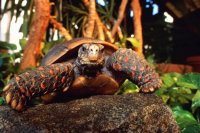
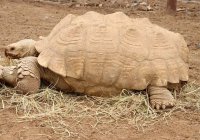
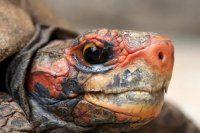
Given their potential 100-year lifespan, owners must plan for the tortoise's care beyond their own lifetime, making arrangements for its future. For those considering a tortoise pet, similar species like the red-footed tortoise and sulcata tortoise are also popular, each with its own care requirements.