Atadenovirus in Bearded Dragons: A Vet's Guide to Symptoms and Care
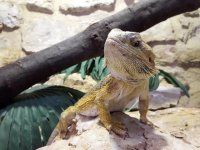
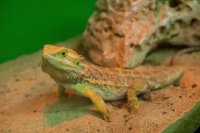
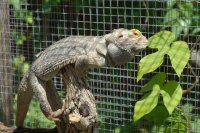
Atadenovirus, often abbreviated as ADV, is a highly contagious viral infection that poses a serious threat to bearded dragons (Pogona vitticeps). The virus attacks the immune system, leading to a range of debilitating symptoms, from lethargy and weight loss to neurological issues like tremors and seizures. While there is no cure, understanding how the virus spreads and how to manage its effects can help owners make informed decisions about their pet's care.
ADV is not a single strain but a group of viruses that can infect various reptiles, including agamid lizards like water dragons and Rankin's dragons, as well as chameleons, geckos, Gila monsters, monitors, and even blue-tongued skinks. The virus has also been documented in snakes, turtles, tortoises, and a Nile crocodile. This broad host range underscores the virus's adaptability and the importance of strict biosecurity in multi-reptile households.
Recognizing the Signs: From 'Wasting' to 'Stargazing'
The common nicknames for ADV—'wasting disease' and 'stargazing disease'—paint a clear picture of its effects. Young bearded dragons infected with the virus often fail to thrive, showing poor growth, lethargy, and a lack of appetite. Many do not survive past three months of age. The immune suppression caused by ADV can also make dragons more susceptible to secondary infections, such as intestinal parasites like coccidia, which further complicates recovery.
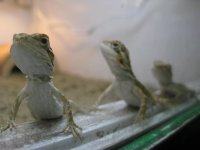
Neurological symptoms are another hallmark. Affected dragons may arch their necks and look upward, a behavior known as 'stargazing,' which results from the virus's impact on the nervous system. In adult dragons, ADV can lead to more chronic conditions, including liver and kidney disease, encephalitis, gastroenteritis, and stomatitis. However, these findings are often only confirmed during a necropsy after the animal has died. Some dragons, curiously, show no symptoms at all but remain lifelong carriers, silently spreading the virus to others.
How the Virus Spreads
Transmission occurs through direct contact with feces from an infected dragon, shared housing, or even handling by someone who has touched an infected reptile. The virus is extremely resilient, and because carriers can appear healthy, it is easy to unknowingly expose a seemingly healthy dragon to the disease. This is why quarantine and hygiene are critical when introducing new reptiles to an existing collection.
Diagnosis and Care
To confirm an ADV infection, an exotic veterinarian will typically recommend a fecal swab for PCR testing, which detects viral DNA. While some owners may hesitate due to cost, testing is essential for an accurate diagnosis. If a dragon dies unexpectedly, a necropsy can help determine if ADV was the cause.
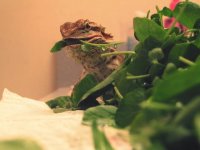
There is no antiviral treatment for atadenovirus. Care focuses on managing symptoms and maintaining quality of life. Infected dragons should be housed alone to prevent spreading the virus and to reduce competition for food. Providing proper UVB lighting and heat is vital, as is addressing secondary infections with antibiotics if prescribed. Dehydrated dragons may benefit from warm water soaks, and syringe feeding can support those that refuse to eat. Owners must regularly assess their dragon's condition and, in severe cases, consider euthanasia as a humane option when palliative care no longer ensures a good quality of life.
For bearded dragon owners, awareness of ADV is a crucial part of responsible pet ownership. By recognizing the signs early and working closely with a veterinarian, owners can make informed decisions that prioritize the well-being of their reptiles.