Bearded Dragon Glass Surfing: Stress Signals and Owner Solutions
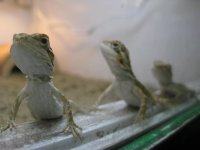
When a bearded dragon repeatedly presses its belly against the glass of its enclosure, paddling its legs as if trying to swim upward, owners may initially find the behavior amusing. But reptile experts and seasoned keepers recognize this action—commonly called glass surfing or glass dancing—as a clear indicator of stress. The lizard often stands on its hind legs, appearing to attempt an escape, only to slide back down. This behavior is not a sign of happiness; it is a distress signal that warrants attention.
Glass surfing is not exclusive to bearded dragons. Many pet reptiles and even fish exhibit similar repetitive pacing along enclosure walls when under stress. The underlying causes are varied, but stress is the common denominator. Understanding what triggers this behavior is the first step toward resolving it.
Common Stressors Behind Glass Surfing
Several environmental and social factors can push a bearded dragon into a state of anxiety. An enclosure that is too small is a frequent culprit. A full-grown adult requires a tank of at least 55 gallons; anything less can feel confining. The presence of another bearded dragon—even if housed separately—can be perceived as competition, triggering stress. Even well-intentioned changes, such as rearranging decorations or moving the tank to a new location, can unsettle a reptile that thrives on routine.
Other triggers include feeling threatened by its own reflection in the glass, boredom from lack of stimulation, or hunger. Suboptimal conditions—incorrect lighting, temperature, humidity, or an unsuitable substrate—also contribute to chronic stress. Owners should evaluate each of these areas when their pet begins glass surfing.
Recognizing Stress Beyond Glass Surfing
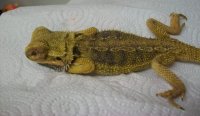
Glass surfing is often accompanied by other physical signs. A bearded dragon under stress may darken its color, particularly the beard, turning a deep black. This darkening is most noticeable on the throat and can appear after any recent change, even one that seemed positive, such as moving to a larger tank or introducing a new pet into the home. Even a temporary absence of the primary caregiver—like a week-long vacation—can be enough to unsettle a bearded dragon.
While glass surfing itself is not a medical emergency, it should not be ignored. If the lizard also shows a loss of appetite, poor shedding, lethargy, or other signs of illness, a veterinarian should be consulted to rule out underlying health issues.
Practical Steps to Calm a Stressed Bearded Dragon
Addressing glass surfing requires a systematic approach to eliminate stressors. If a recent change triggered the behavior, reverting to the previous setup can help. For instance, remove a newly added decoration or ensure the lizard cannot see a new reptile in the home. If the tank is smaller than 55 gallons and houses an adult, upgrading to a larger enclosure is advisable.
When switching tanks, replicate the original layout as closely as possible. Place items in the same relative positions, even if they are more spread out, to maintain a sense of familiarity. Increasing daily enrichment is also beneficial. If the bearded dragon enjoys handling, more time outside the tank can provide mental stimulation. Finally, verify that lighting, temperature, and humidity levels meet the species' requirements. Incorrect day/night cycles, excessive dryness, or high humidity can all induce stress, so maintaining proper habitat conditions is essential.
By identifying and removing the source of stress, owners can help their bearded dragon return to a calm, healthy state. Glass surfing is a signal, not a habit—listening to it is key to responsible reptile care.