Keeping White's Tree Frogs: Habitat, Diet, and Health Essentials
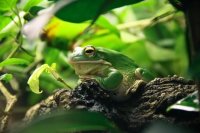
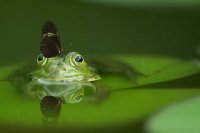
White's tree frogs, a species native to the tropical regions of Australia, Indonesia, and New Guinea, have become a favored choice among novice amphibian enthusiasts. Their compact size, typically under four inches, and distinctive facial features—marked by drooping eyelids and a slight smile—contribute to their appeal. Additionally, a waxy skin coating enables them to withstand drier conditions than many other tree frogs, making them more adaptable to household environments.
These frogs are primarily nocturnal, showing increased activity during the evening. They are generally sedentary and docile, often becoming tolerant of handling. They are also social creatures and can thrive when kept with a companion. However, their highly absorbent skin requires careful handling, as they can easily absorb chemicals from human skin.
Enclosure Setup and Environmental Needs
In the wild, White's tree frogs are arboreal, so their captive habitat must include ample climbing opportunities. A tall aquarium of 15 to 20 gallons is recommended for a single adult, with hexagonal tanks being particularly suitable. A secure lid is essential, as these frogs have adhesive footpads that allow them to scale glass surfaces. If housing multiple frogs, ensure they are of similar size to prevent larger individuals from preying on smaller ones.
The enclosure should be furnished with sturdy branches, cork bark, and live plants that can support the frogs' weight. Plants must be free of fertilizers and pesticides, and keeping them in movable pots simplifies cleaning. Covering the back wall with dark paper creates a secluded resting area, and placing a large piece of bark diagonally provides a hiding spot that mimics their natural sleeping sites.
Daily spot-cleaning is necessary to remove waste, and the water dish should be refreshed with non-chlorinated water. A temperature gradient of 75 to 85 degrees Fahrenheit during the day, dropping to 68-75 at night, is ideal, achieved with a basking light on one side of the enclosure. Thermometers, both handheld and tank-side, help monitor conditions.
Lighting should be subdued, with a 12-hour light-dark cycle. While UVB lighting is not required, a 5% UVB source can be provided if desired. Substrate should consist of large washed gravel, chemical-free soil, and sphagnum moss to retain humidity. Avoid small gravel or bark shavings that could be ingested. Humidity levels should be maintained between 60 and 70 percent, measured with a hygrometer, and achieved through daily misting with dechlorinated or bottled water.
Diet and Feeding Guidelines
White's tree frogs require a varied diet of live insects, including crickets, moths, beetles, cockroaches, grasshoppers, and earthworms. Overfeeding is a common issue, as these frogs are prone to obesity. As a general rule, large frogs (over three inches) should be fed a few large crickets every two to three days, while juveniles may need daily feedings. Body condition is a reliable indicator: ridges above the eardrum that become prominent and sag indicate obesity, requiring a gradual reduction in food. All insects should be gut-loaded and dusted with a calcium-vitamin supplement, with frequency depending on the frog's age.
Health Concerns and Acquisition
The most significant health threat to White's tree frogs is chytridiomycosis, a fungal disease that has devastated amphibian populations globally. Symptoms include lethargy and weight loss, and treatments are limited. To minimize risk, it is crucial to purchase frogs from reputable breeders who can confirm captive breeding and disease-free status. Wild-caught specimens may carry parasites and fail to adapt to captivity. Expect to pay around $30 for a frog, and always observe the animal in person to ensure it has a healthy appetite.
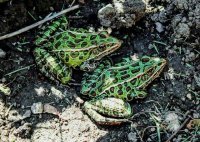
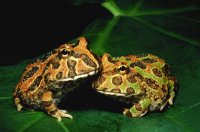
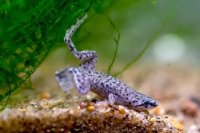
While White's tree frogs are relatively low-maintenance, they do require careful monitoring of temperature, humidity, and lighting, and their sensitive skin makes them susceptible to infections. For those considering similar pets, related species include the Pacman frog, dwarf clawed frog, and leopard frog, each with its own care requirements.