African Bullfrog Ownership: Essential Tank Setup, Feeding, and Health Guide
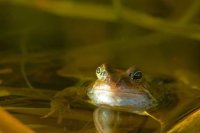
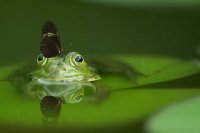
African bullfrogs, often called pixie or pyxie frogs, are among the largest frog species kept as pets. Native to Africa but now found in homes worldwide, these amphibians are known for their olive-green skin, lighter bellies, and orange coloring around the limbs. While they are not ideal for frequent handling, their relatively simple care requirements make them a suitable option for novice frog keepers.
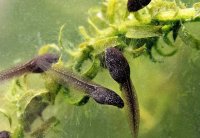
These frogs are moderately active, which makes them entertaining to observe in their enclosures. They are generally easygoing and low-maintenance, requiring feeding every other day and tank cleaning once or twice a week. However, males should never be housed together due to aggressive territorial behavior. In the wild, male bullfrogs guard their tadpoles to ensure survival, though they may occasionally consume their own young.
Handling an African bullfrog requires caution. Their delicate skin is susceptible to damage, and their powerful legs can propel them out of your hands, leading to injury. Additionally, they are one of the few frog species with sharp teeth and may bite if they feel threatened. A loud croak is a common sign of stress, so respecting their boundaries is key to maintaining a calm pet.
Setting Up the Right Enclosure
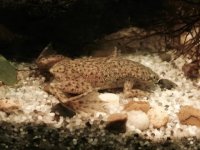
A proper habitat is the foundation of African bullfrog care. A medium-sized frog needs at least a 10-gallon tank, though larger is always better. These frogs should live alone due to their cannibalistic tendencies. The tank substrate can consist of small, smooth rocks, with the tank filled about one-third with dechlorinated water. Using progressively larger stones to create a beach on one side gives the frog a place to climb and dry off.
Providing a container of dirt allows the bullfrog to burrow, mimicking its natural behavior of digging into the ground to escape dry seasons. In captivity, controlled temperature and humidity make hibernation unnecessary. The tank should be cleaned one to two times per week, or more often, to keep the water fresh.
Temperature and lighting are critical. A room that stays above 75°F (24°C) is suitable, but if the frog becomes less active or eats less, increasing the temperature may help. Simple water heaters designed for fish tanks and reptile heat lights can create the ideal environment. African bullfrogs need a 12-hour light and 12-hour dark cycle, and they should be kept out of direct sunlight. While not essential, a UVB light is recommended to enhance nutrient absorption.
Humidity and Substrate
High humidity is vital for amphibians due to their sensitive skin. Bullfrogs need a damp tank and ample water for swimming. Humidity levels should be maintained between 80% and 90%, monitored with a hygrometer. Misting the tank with clean water several times a day can help increase humidity.
Substrate, the material lining the bottom of the enclosure, helps maintain humidity and mimics the frog's natural environment. Coco fiber, made from coconut husks, and peat moss are good options. The ideal substrate is organic and retains heat and moisture. Avoid soil treated with insecticides or chemicals, and change the substrate frequently. Since African bullfrogs may ingest substrate, ensure the lining materials are safe and digestible.
Feeding and Diet
African bullfrogs are carnivores with a hearty appetite, consuming anything they can fit in their mouths, including insects, other frogs, and small rodents or birds. A healthy diet includes gut-loaded crickets, worms such as mealworms and earthworms, insects like spiders and roaches, and feeder fish like guppies. Avoid grocery store meat like chicken or beef, as it lacks the nutrition of whole prey. Small rodents, such as mice or baby rats, should only be given as treats.
Young bullfrogs typically eat daily or every other day, while adults require feeding two to three times per week. Serve food in a shallow dish or on a flat rock, and consult a veterinarian for specific feeding amounts based on the frog's age and size. Varying the menu at each feeding mimics their natural diet and prevents overfeeding.
Health and Sourcing
African bullfrogs have a long lifespan and require minimal healthcare, but they can face several health issues. Bacterial and fungal infections of the skin and eyes are common in suboptimal conditions. Intestinal parasites may cause poor appetite, and a yearly fecal check is recommended. Ammonia poisoning, caused by excessive waste in the enclosure, can lead to lethargy, uncoordinated movements, and cloudy eyes, and can be fatal within days. Immediate tank cleaning and veterinary care are essential.
When acquiring an African bullfrog, choose a reputable breeder or rescue organization. Prices typically range from $25 to $75. A healthy frog has olive-green skin without abnormal bumps or lesions and clear eyes. Males grow larger than females, so those seeking a smaller frog may prefer a female, though both sexes are equally voracious and sensitive to handling.
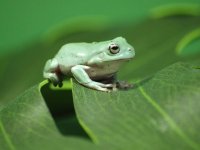
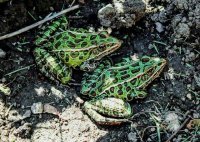
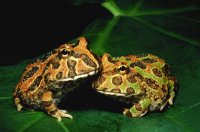
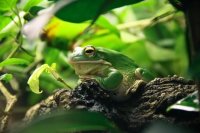
For those interested in similar pets, Pacman frogs, leopard frogs, and White's tree frogs are alternative options. Regardless of the species, proper research and preparation are key to successful amphibian ownership.