Amphibian Care Guide: Selecting, Sheltering, and Sustaining Pet Frogs
Before acquiring a pet frog, prospective owners should consider the broader ecological impact. Wild frog populations are declining due to human activities, and the pet trade can contribute to the spread of Chytrid fungus, a pathogen harmful to amphibians. Therefore, it is crucial to source frogs from local captive-bred and disease-free populations, avoiding wild-caught individuals.
Frogs can be rewarding companions for the right owner, but they require a significant commitment. With proper care, many species live between 4 and 15 years, and some may live even longer. Potential owners should be prepared for a long-term relationship.
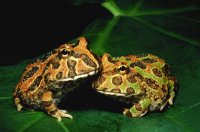
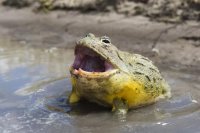
One common misconception is that small frogs stay small. For example, "pixie" frogs, despite their name, are actually African bullfrogs and can reach 8 to 9 inches in length. Their name derives from their Latin name, Pyxicephalus adspersus. While larger frogs tend to be sedentary, smaller species are often quite active. However, frogs should not be handled regularly due to their sensitive skin.
Although frogs do not express emotions like humans, they can recognize their owners as a source of food and comfort with daily attention. This bond, however, does not negate the challenge of finding care for them when traveling, as specialized knowledge is often required.
Setting Up the Right Habitat
Before bringing a frog home, it is essential to establish the tank with appropriate water, humidity, and temperature conditions. Some species hibernate, so specific environmental cues may be necessary. The tank type—aquatic, terrestrial, arboreal, or semi-aquatic—depends on the species. A half-land, half-water setup is common but can be tricky.
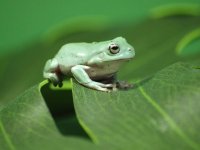
Tank size varies: a minimum of 10 gallons is generally recommended, but White's tree frogs require at least 20 gallons, and tree frogs may need tall tanks for climbing. Researching the specific needs of the chosen species is critical.
Maintaining a clean enclosure is demanding, as frogs are highly sensitive to contaminants and waste. Tropical frogs may need humidity above 70%, and daytime temperatures often range from 75 to 85°F, with nighttime temperatures at or above 68°F. Providing branches, plants, and hide boxes mimics their natural environment. For substrate, coconut husks, sphagnum or peat moss, or soil are suitable, but rocks and gravel should be avoided to prevent accidental ingestion.
Feeding and Health Considerations
Frogs are carnivores that typically eat live prey, such as crickets, caterpillars, moths, and grasshoppers. Larger frogs may consume pinky mice. It is important to purchase live prey from a local pet store and avoid feeding human food. Fresh, clean water should always be available.
Health issues can arise from bacterial or fungal infections, viruses, parasites, metabolic bone disease, deficiencies, or trauma. Observing frogs daily for changes in appetite, weight, color, or appearance—such as lumps or sores—is crucial. Signs like difficulty moving or catching prey warrant a visit to an amphibian veterinarian.
Beginner-Friendly Species
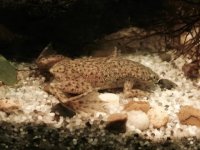
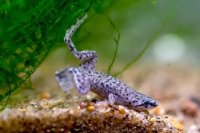
For beginners, several species are relatively easy to care for. Dwarf clawed frogs are small, active, and fully aquatic, making them popular choices. Oriental fire-bellied toads are semi-terrestrial and fairly active. White's tree frogs are docile but may be inactive, which some find boring. African clawed frogs are aquatic and grow large, requiring careful distinction from dwarf clawed frogs. American green tree frogs are also suitable for beginners. Pacman frogs are mostly terrestrial and easy to care for, but they grow large and are sedentary.
Ultimately, thorough research before selecting a frog type is essential to ensure a good match for both the owner and the pet.