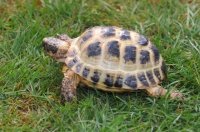
Greek Tortoise Ownership: What to Know Before You Commit
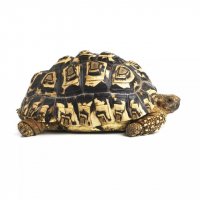
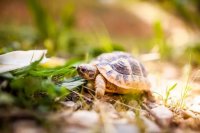
Greek tortoises, native to Southern Europe, Northern Africa, and Southwest Asia, have become popular pets due to their affable personalities. However, they can live for 50 years or more in captivity, making them a significant long-term commitment. Prospective owners should weigh this carefully, as the tortoise may outlive them.
These tortoises are known for their easygoing nature when their needs are met, but they have specific requirements for housing, temperature, lighting, and diet. Understanding these needs is crucial for ensuring a healthy life for the pet.
Behavior and Handling
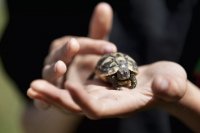
Like many reptiles, Greek tortoises generally prefer not to be handled. Handling can be stressful and may negatively impact their health. Some may bite if picked up. When handling is necessary, such as for cleaning, it should be done slowly and gently.
Once they become familiar with their owners, many Greek tortoises become social and may approach people, especially if food is involved. Their amiable nature makes them enjoyable companions, provided their aversion to handling is respected.
Housing Requirements
Greek tortoises are relatively small but need ample space to exercise. Many owners opt for large plastic storage tubs or custom wooden enclosures instead of fish tanks, as tortoises require floor space rather than height. An enclosure of at least 3 feet by 6 feet with walls about 18 inches tall is adequate, though larger is better. Daily removal of uneaten food and waste, along with weekly cleaning using a reptile-safe cleaner, is essential.
When temperatures reach 75 degrees Fahrenheit or warmer, outdoor time is beneficial, but supervision is critical. Tortoises can run surprisingly fast and are adept at hiding. Predators such as raccoons and hawks pose a threat, so a secure outdoor pen with a screened top is ideal. Walls should be buried about 6 inches deep to prevent digging. The pen should offer both sunny and shady areas, and never use a glass tank outdoors, as it can create dangerous oven-like conditions.
Temperature, Lighting, and Humidity
The ideal environment for a Greek tortoise is between 75 and 90 degrees Fahrenheit. A basking area with a heat lamp should maintain a temperature of 95 to 100 degrees during the day, while nighttime temperatures can drop to 70-80 degrees. If kept outside, they can tolerate night temperatures down to around 65 degrees. In the wild, they hibernate through cooler winters.
UVB lighting is essential for about 12 hours per day to promote vitamin D production, which helps metabolize calcium and strengthen bones. Without it, tortoises may develop bone abnormalities. Humidity should be maintained between 40% and 60%, monitored with a hygrometer. Misting every other day and keeping a water dish filled helps maintain appropriate moisture levels.
Substrate options include reptile-safe mulch, aspen shavings, or dirt mixtures. Food should be offered on a plate to prevent ingestion of bedding.
Diet and Nutrition
Greek tortoises are herbivores, requiring a diet high in fiber and low in protein. Dark leafy greens and vegetables should form the majority of their meals, such as collard greens, endive, parsley, dandelion greens, zucchini, broccoli, and shredded carrots. Chopped Timothy hay can help keep their beak trimmed and provide additional fiber. Fruits like raspberries, strawberries, or apples can be offered in small amounts, but should not exceed 10% of the diet.
Commercial pellets can be fed daily, and calcium powder supplementation is often recommended. A veterinarian's advice on feeding and supplementation is crucial to maintain a healthy weight.
Common Health Issues
Shell rot, a fungal infection, is common and can cause painful deformities if untreated. Metabolic bone disease, resulting from an imbalance in calcium-to-phosphorus ratio, weakens bones and can be fatal. Respiratory infections, indicated by wheezing and lethargy, often stem from incorrect humidity levels.
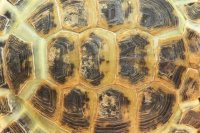
When selecting a Greek tortoise, a reputable breeder who can provide medical history is recommended. The average cost is around $200. A healthy tortoise should have clear eyes, no excess mucus, and a smooth, undamaged shell. Observing the tortoise eating is a good sign, as a refusal to eat may indicate illness.
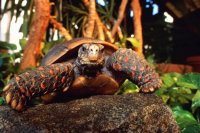
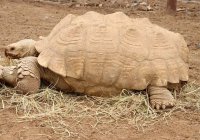
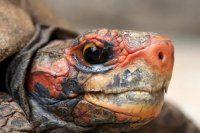
For those interested in similar pets, Hermann's tortoise, sulcata tortoise, and cherry head red-footed tortoise are alternatives worth exploring.