Turtle Shell Care: Spotting Disease and Damage Early
For turtle and tortoise owners, the shell is more than a protective covering—it's a window into the animal's overall health. A healthy shell is typically hard, smooth, and free of obvious deformities, but various factors can compromise its integrity. Recognizing the signs of shell problems early is crucial, as many conditions are preventable with proper care.
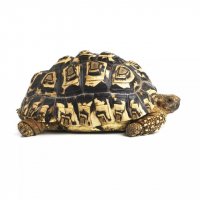
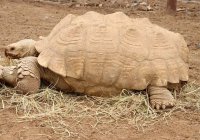
All turtles and tortoises have a carapace (top shell) and a plastron (bottom shell), which are connected along the sides to shield internal organs. The shell is composed of visible sections called scutes, made of keratin—the same protein found in fingernails. Beneath the scutes lies a layer of epithelium that covers the bony shell. As the animal grows, new scutes form beneath the older ones. In many aquatic turtle species, the outer scutes shed naturally in pieces, revealing fresh scutes underneath. Land-dwelling tortoises, however, do not shed scutes; instead, the outer layers wear down over time, especially in burrowing species. The spine and ribs are fused to the carapace, making the shell an integral part of the skeleton.
Common Shell Abnormalities
One of the most visible shell problems is pyramiding, where individual scutes develop raised, pyramid-like peaks. While some species, like the Indian Star Tortoise, naturally have such peaks, most do not. Pyramiding is typically a husbandry issue, arising from chronic malnutrition or inadequate lighting. Excessive dietary protein, insufficient calcium or Vitamin D, and lack of UVB lighting—which enables Vitamin D production—can all lead to this condition. The deformities are permanent, even after correcting the diet and environment, so prevention is key.
Shell rot is another common concern, referring to a bacterial infection of the shell, often caused by unsanitary living conditions such as dirty water or moldy bedding. The bacteria attack the blood vessels and shell, leading to pitting, divots, and a moth-eaten appearance. In severe cases, scutes may fall off, exposing the underlying bone and nerves, which is painful. Treatment requires aggressive antibiotics and can take a long time, so prompt veterinary care is essential.
Septicemic cutaneous ulcerative disease (SCUD) is a more serious condition that can start as a shell wound combined with poor husbandry. The bacteria enter the bloodstream and can eventually affect the liver and other organs. Any wound or trauma to a turtle's shell warrants an immediate check-up with an exotics veterinarian.
Prevention and Vigilance
Metabolic bone disease (MBD) is another preventable condition resulting from inadequate calcium, Vitamin D, and UVB exposure. It causes bones to lose calcium, leading to softening or malformation of the shell. Proper nutrition and lighting can prevent MBD, and in some cases, it can be corrected with therapy.
For aquatic turtles, a healthy shell is typically free of algae, smooth, and hard. However, exceptions exist, and any unusual appearance should be evaluated by a vet. Reptiles heal slowly, and shell damage may take years to improve or may never fully resolve if left untreated. Early detection and proper husbandry are the best defenses against shell-related diseases.