Snowflake Moray Eels: A Practical Guide for Saltwater Aquarists
Snowflake moray eels (Echidna nebulosa) are often considered one of the more sociable eels for saltwater aquariums, but they come with specific requirements that can challenge even experienced hobbyists. Reaching up to two feet in captivity, these eels are notorious escape artists, making a secure tank setup non-negotiable.
Native to the Indo-Pacific, the snowflake moray eel inhabits caves and crevices across a vast range that extends from Hawaii south to Australia, through the East Indies, and across the Indian Ocean to the African coast. Their natural habitat informs their aquarium needs: plenty of hiding spots and a stable environment.
Appearance and Behavior
The eel's name comes from its distinctive pattern: white or cream-colored skin marked with black, dendritic blotches that often contain one or two yellow spots. Their eyes and head markings are also yellow, and their conical teeth are adapted for crushing crustacean exoskeletons. While they primarily prey on crustaceans in the wild, larger individuals may also eat fish.
Snowflake morays are generally less aggressive than other moray species, but they can become quite assertive during feeding. With poor eyesight but a keen sense of smell, they emerge from hiding when food is detected. This behavior means they are best kept with fish larger than themselves to avoid predation. They can coexist with other eels if introduced simultaneously and provided with ample space and shelter.
Tank Setup and Compatibility
Given their size and activity level, a tank of at least 50 gallons per eel is recommended from the start. The eel will quickly outgrow smaller aquariums. A tight-fitting canopy is essential, as these eels can find and exploit even the smallest gaps. Many hobbyist losses occur when eels escape through poorly sealed tank tops or make their way through plumbing into filter bags or sumps.
When it comes to tankmates, snowflake morays are not safe with shrimp, crabs, or lobsters, as these are their natural prey. However, they are generally safe with other invertebrates like starfish, anemones, and sea urchins, and they will not bother corals. That said, they are messy eaters, so strong filtration and a large protein skimmer are necessary for the long-term health of any corals in the tank.
During the first few weeks in a new aquarium, the eel may be shy. Providing multiple caves and arranging rockwork so the eel can move from one side of the tank to the other without exposure helps it acclimate. Rock formations should be stacked firmly to prevent dislodging by this strong, active eel.
Feeding and Diet
In the wild, snowflake morays are nocturnal predators, ambushing fish and crustaceans. In captivity, they accept a variety of frozen or freeze-dried foods, including krill, fish, shrimp, clams, squid, octopus, scallops, and feeder fish, preferably enriched with vitamins. Hand feeding is possible but should be done with caution, as the eel can inflict a painful bite.
Newly acquired eels may require live ghost shrimp to start feeding, but they can be weaned onto frozen foods over time. It is important to limit freshwater feeder fish like goldfish and rosy reds, as excessive feeding can lead to liver disease. A well-fed eel usually ignores other tank inhabitants, though it is not uncommon for eels to go into a hibernation-like period, hiding and not eating for weeks.
Breeding Challenges
Snowflake eels are protogynous, meaning the dominant eel can change from female to male, a process that can take several months to a year. There are no noticeable external differences between sexes, and keeping multiple eels for breeding is challenging. They are egg scatterers, with eggs and larvae drifting in the plankton until they settle on a reef. Propagation in captivity is considered among the most difficult for marine fish.
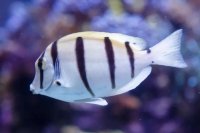
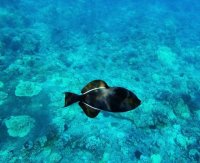
For aquarists interested in similar species, lionfish, tangs, and triggerfish are often compatible tankmates. Each has its own care requirements, so thorough research is recommended before adding any to a marine aquarium.