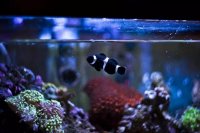
Striped Surgeonfish: A Guide to Keeping Convict Tangs in Home Aquariums
For saltwater aquarium enthusiasts seeking a fish with personality and utility, the convict tang (Acanthurus triostegus) offers a compelling option. Known for its bold black vertical stripes against a silver-white body, this surgeonfish is not the most colorful species in the hobby, but its active behavior and algae-grazing habits make it a valuable addition to larger marine tanks. However, keeping a convict tang healthy requires understanding its specific needs for space, diet, and tankmates.
Native to tropical waters across the globe, the convict tang is found from the Indo-Pacific to the Hawaiian Islands, and extends to the eastern Pacific, including the Gulf of California, Mexico, Panama, the Revillagigedo Islands, Clipperton Island, and the Galapagos Islands. In the wild, these fish form large schools and spend their days foraging on marine algae in shallow reef areas. This widespread distribution has made them a common sight in the aquarium trade, particularly from Hawaii and the South Pacific.
Appearance and Size
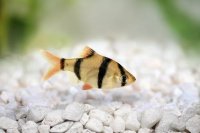
The convict tang's name comes from its six black vertical stripes, which resemble a prison jumpsuit. A splash of yellow on the top of the dorsal fin adds a subtle accent. While adults can reach about 8 inches in length, juveniles available in stores often range from under an inch to about 6 inches. This size makes them a significant presence in any tank, requiring ample swimming room.
Aquarium Requirements and Tankmates
Convict tangs are active swimmers, and their captive environment must reflect that. A minimum tank size of 100 gallons is recommended, with an emphasis on length—at least 6 feet—to provide adequate swimming space. This is crucial to prevent crowding and territorial disputes, especially with other tangs. While they are generally peaceful with non-aggressive fish, they can show aggression toward other surgeonfish and species with similar body shapes, such as angelfish or butterflyfish.
In a reef tank, convict tangs are considered reef safe. They typically do not bother invertebrates like crabs and shrimp, and they usually leave corals alone if well-fed. Their constant grazing on unsightly algae makes them excellent natural housekeepers. However, a hungry convict tang may pick at large polyp stony (LPS) corals, so consistent feeding is essential.
Keeping multiple convict tangs together is possible but challenging. In the wild, they are schooling fish, and some aquarists have success in large, long tanks with plenty of live rock and hiding places. Introducing all tangs at the same time can improve success, but even in very large tanks, individual fish may fight. The outcome often depends on the temperament of each fish.
Diet and Feeding
Convict tangs are primarily herbivores, but they also enjoy meaty foods like mysis shrimp and brine shrimp. A varied diet is key to their health, as tangs are somewhat delicate and prone to disease. Providing marine algae and seaweed-based foods—whether frozen, flake, or pellet—is vital. Many tangs relish spirulina flakes and dried nori attached to a veggie clip. Some aquarists enhance these foods with vitamin supplements designed for marine fish to bolster their immune system.
If the tank contains live rock, the tang will graze on the algae growing there, supplementing its diet naturally. Keeping the fish well-nourished is one of the best ways to prevent infections and maintain overall health.
Breeding and Gender Differences
Male and female convict tangs look identical, with no discernible physical differences. Breeding in captivity is rare because the larvae are free-floating for several months and are often sucked into aquarium filters. In the wild, they are group spawners, releasing eggs and sperm into the open water at dusk. The larvae drift with plankton for about two months before settling in sheltered tide pools to develop, eventually joining schools of other convict tangs.
For hobbyists interested in similar species, other tangs like the Kole, Powder Brown, Sailfin, and Yellow Tang offer alternative options. Each has its own care requirements, so thorough research is recommended before adding any surgeonfish to a home aquarium.